๐Ÿš€ Academic Visiting: Exploring Med-Engineering Collaboration in Magnetic Surgery! ๐Ÿงฒ๐Ÿฅ

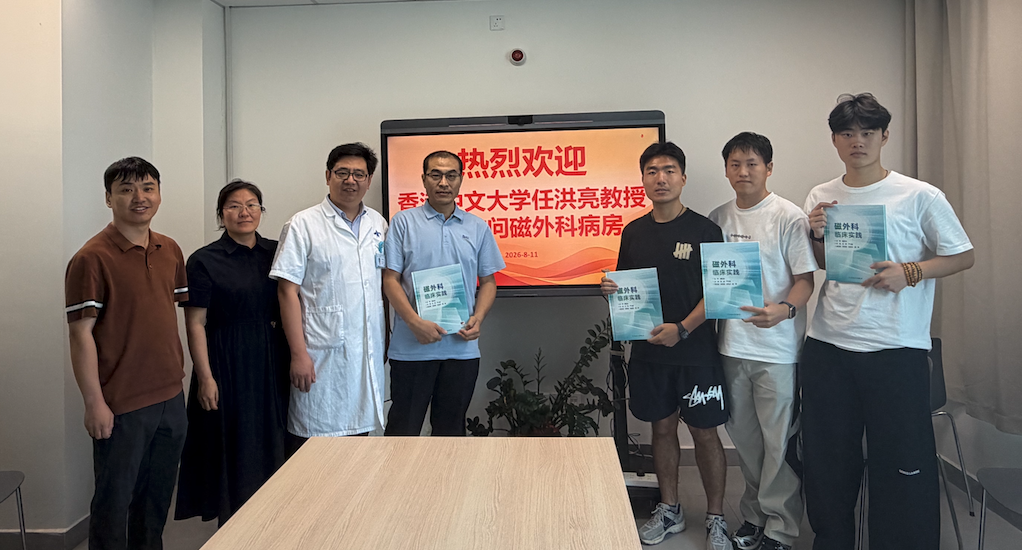
On August 11, Prof. Hongliang Ren’s research group from The Chinese University of Hong Kong (CUHK) was invited by the Department of Magnetic Surgery at the First Affiliated Hospital of Xi’an Jiaotong University (XJTU) to visit their specialized magnetic surgery ward and engage in a symposium with Prof. Xiaopeng Yan to explore cross-disciplinary medical-engineering research collaboration.

During the visiting, Prof. Yan presented the development history, landmark surgical cases, and distinct advantages of magnetic surgery compared to conventional surgical techniques. In particular, magnetic recanalization offers a highly effective, minimally invasive solution for severe complications like post-liver transplantation biliary obstructionโ€”often termed the “Achilles’ heel” of liver transplantationโ€”where traditional endoscopic or surgical interventions face major limitations. Prof. Yan also highlighted current clinical pain points and shared valuable insights regarding urgent operational needs.

Prof. Hongliang Ren introduced the group’s latest research achievements in advanced magnetic materials and magnetically controlled surgical robots. Both parties conducted fruitful discussions on the translational application of magnetic technologies in clinical settings, identified key prospective areas for joint research, and established plans for ongoing collaboration.

Special thanks to Prof. Xiaopeng Yan and the Department of Magnetic Surgery at XJTU First Affiliated Hospital for hosting this inspiring exchange!
๐Ÿ”– #MagneticSurgery #MedicalRobotics #MedEngineering #SurgicalRobotics #CUHKEngineering #CUHK #XJTU
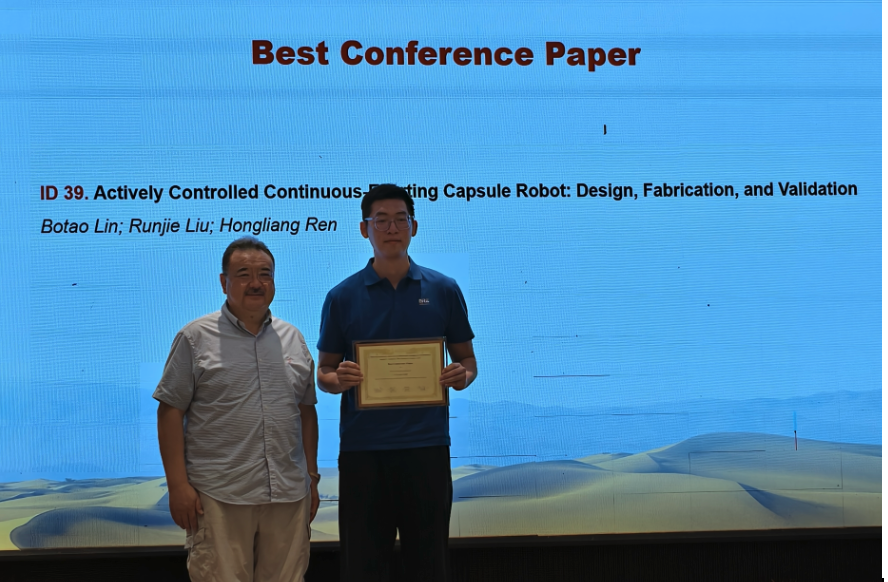
๐Ÿ† Congratulations to Botao Lin on receiving the Best Conference Paper Award at ICBIR 2026! ๐ŸŽ‰

The award recognizes the work โ€œActively Controlled Continuous-Everting Capsule Robot: Design, Fabrication, and Validation.โ€

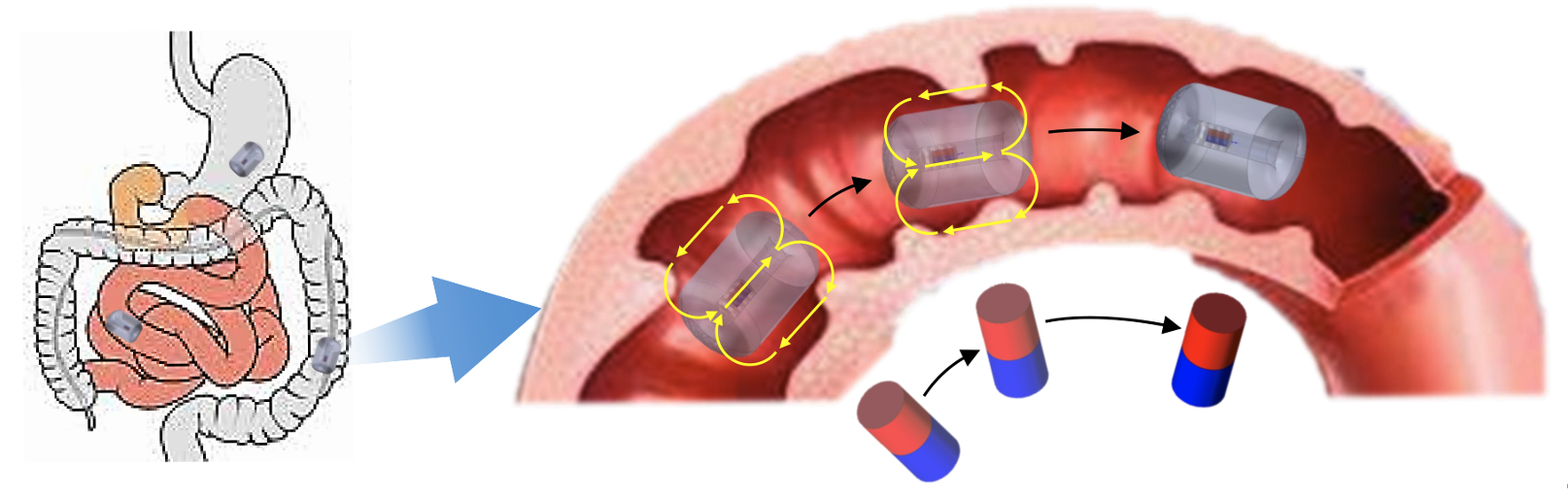
This research introduces a magnetically controlled capsule robot that uses a continuous-everting outer film to reduce sliding friction against delicate tissue, enabling smoother and safer navigation in complex gastrointestinal environments.

Following the conceptualization of this work, a prototype was manufactured and tested, and the functionality of the everting capsule robot was initially verified.

Figure 1. Max Meng and Botao Lin at the award ceremony

Figure 2. Working concept diagram of the continuous-everting capsule robot. Driven by an external magnetic field, the robot can move by continuously everting its outer film. Because this type of movement is unaffected by environmental friction, it can be applied to lumens of any suitable diameter.

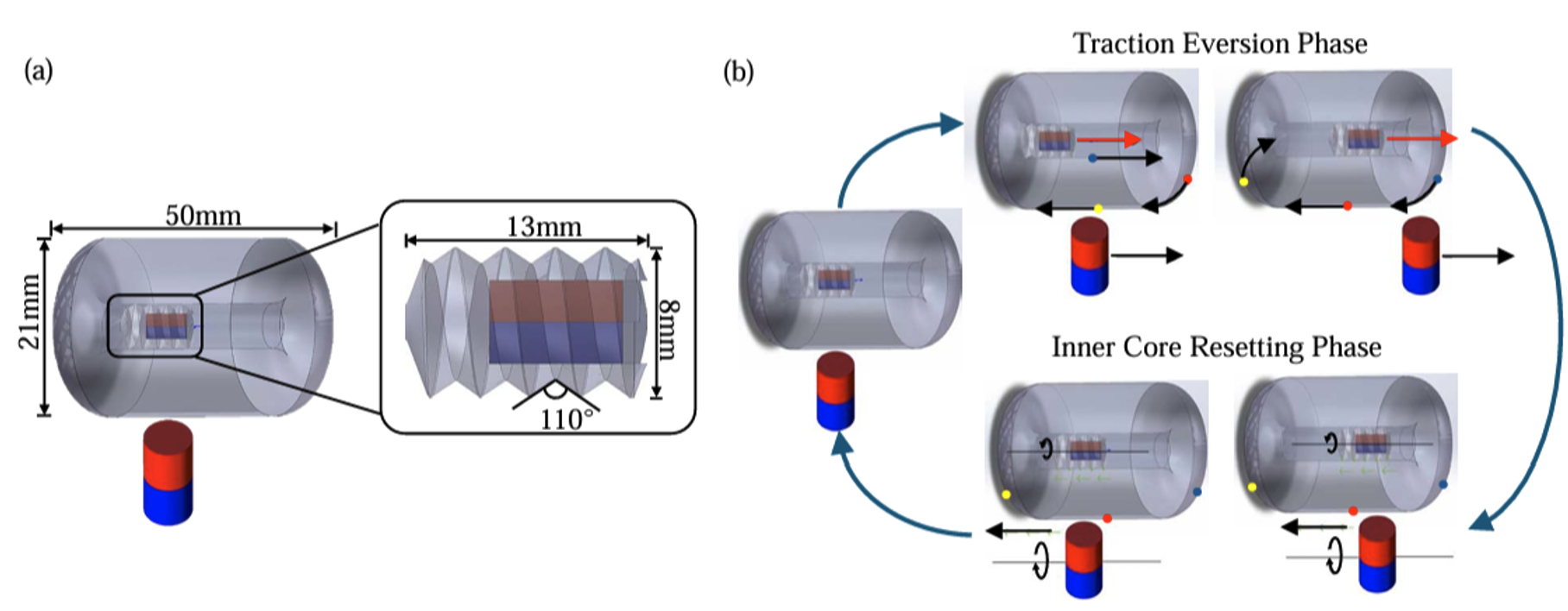
Figure 3. Design and working principle of the continuous-everting capsule robot. (a) Design parameters of the continuous-everting capsule robot. (b) The forward motion cycle of the robot. Three colored markers (blue, red, and yellow) are utilized to track the movement of the outer film. During the traction eversion phase, magnetic attraction drives the inner core forward, which induces the eversion of the outer film via friction between the two components. In the inner core resetting phase, the external magnetic field rotates and translates, causing the inner core to simultaneously rotate and move backward. During this resetting phase, the outer film remains static.

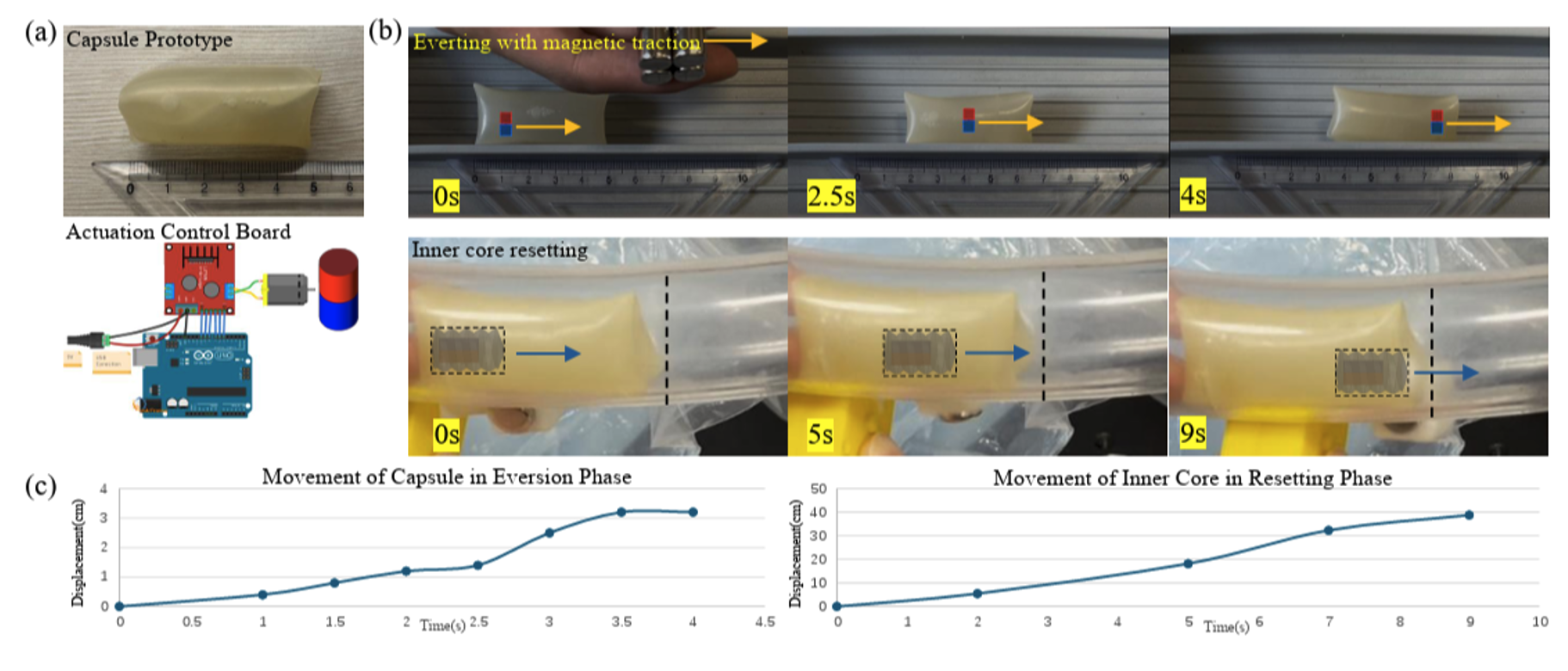
Figure 4. Experimental validations. (a) The capsule robot prototype and the diagram of the actuation control board. (b) Experimental evaluation of the capsule robotโ€™s eversion movement and the inner coreโ€™s resetting capability. During the eversion experiment, external magnetic traction pulled the robot forward approximately 4cm in 4 seconds. In the resetting experiment, the inner core retracted through the robotโ€™s internal cavity in 9 seconds. Throughout this resetting process, the outer film remained entirely stationary. (c) The record of the positions of the robot and the inner core during the experiments. It can be measured that the average velocity of the robot moving and the inner core resetting are 7.5mm/s and 4.4mm/s, respectively.