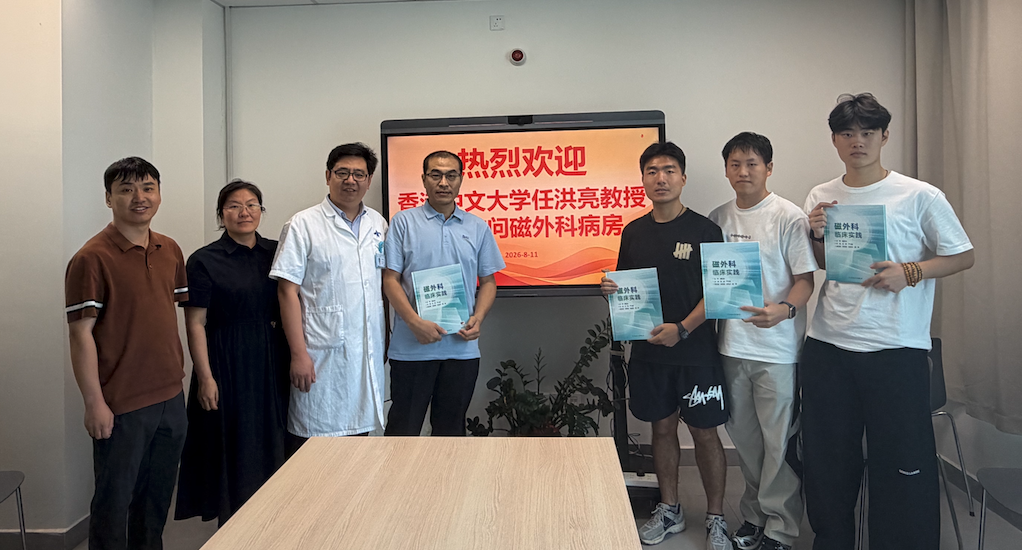
On August 11, Prof. Hongliang Ren’s research group from The Chinese University of Hong Kong (CUHK) was invited by the Department of Magnetic Surgery at the First Affiliated Hospital of Xi’an Jiaotong University (XJTU) to visit their specialized magnetic surgery ward and engage in a symposium with Prof. Xiaopeng Yan to explore cross-disciplinary medical-engineering research collaboration.
During the visiting, Prof. Yan presented the development history, landmark surgical cases, and distinct advantages of magnetic surgery compared to conventional surgical techniques. In particular, magnetic recanalization offers a highly effective, minimally invasive solution for severe complications like post-liver transplantation biliary obstruction—often termed the “Achilles’ heel” of liver transplantation—where traditional endoscopic or surgical interventions face major limitations. Prof. Yan also highlighted current clinical pain points and shared valuable insights regarding urgent operational needs.
Prof. Hongliang Ren introduced the group’s latest research achievements in advanced magnetic materials and magnetically controlled surgical robots. Both parties conducted fruitful discussions on the translational application of magnetic technologies in clinical settings, identified key prospective areas for joint research, and established plans for ongoing collaboration.
Special thanks to Prof. Xiaopeng Yan and the Department of Magnetic Surgery at XJTU First Affiliated Hospital for hosting this inspiring exchange!
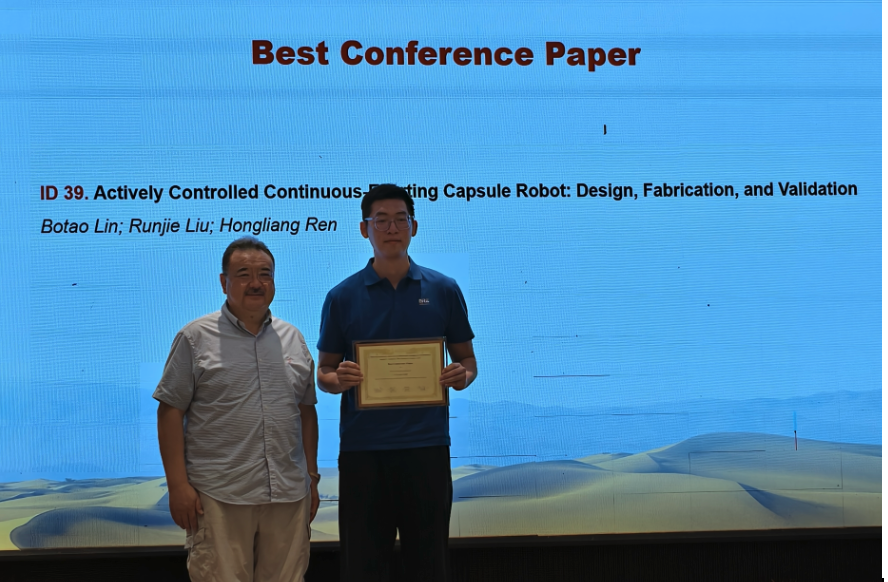
The award recognizes the work “Actively Controlled Continuous-Everting Capsule Robot: Design, Fabrication, and Validation.”
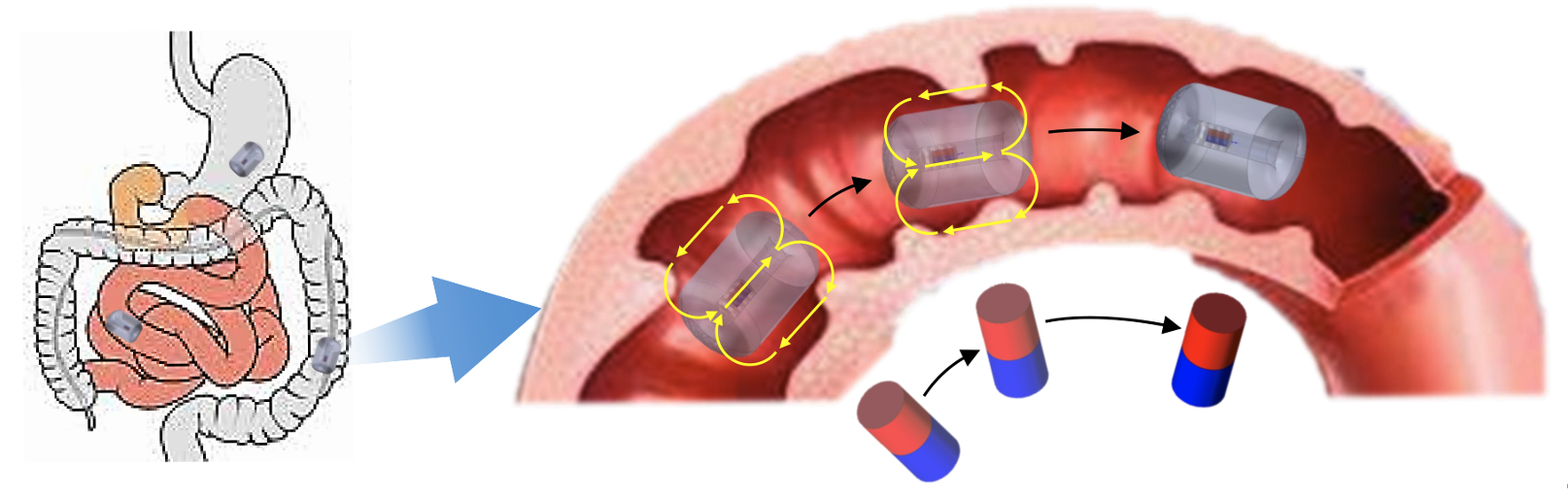
This research introduces a magnetically controlled capsule robot that uses a continuous-everting outer film to reduce sliding friction against delicate tissue, enabling smoother and safer navigation in complex gastrointestinal environments.
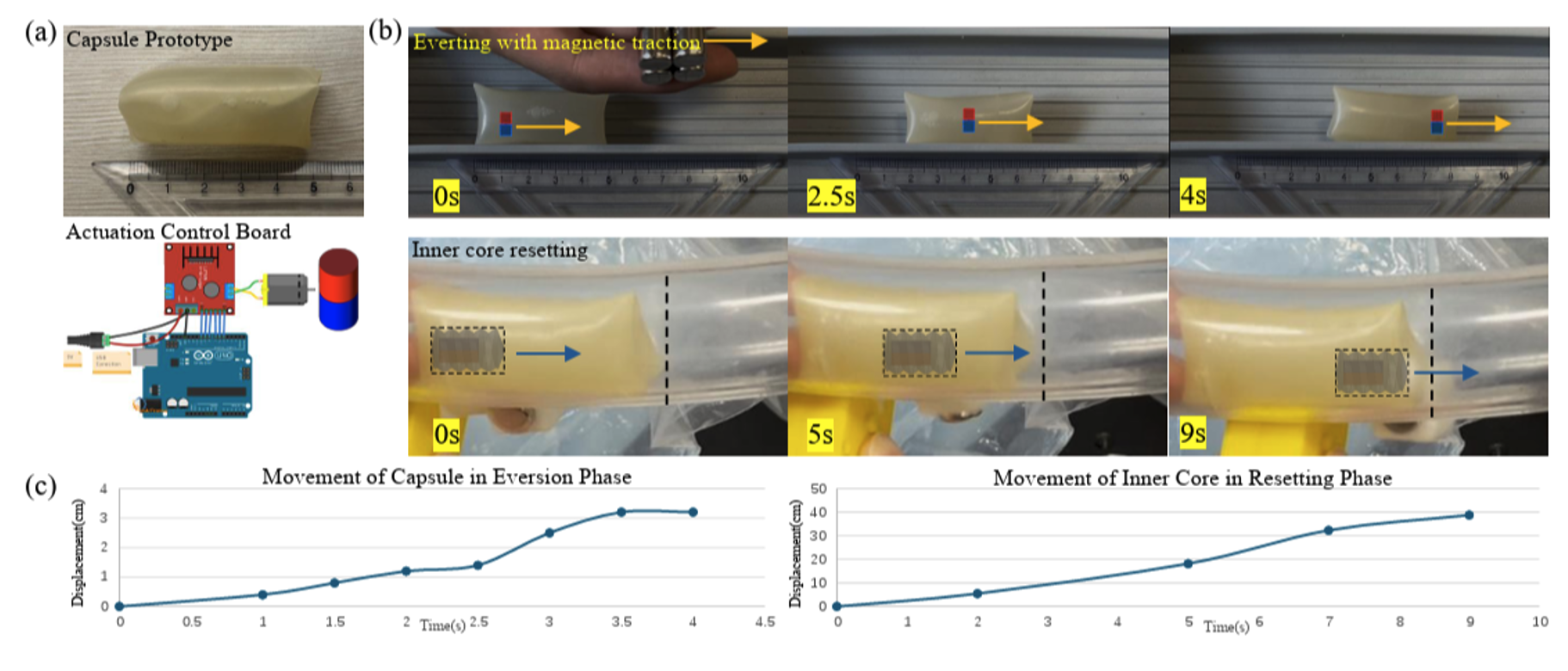
Following the conceptualization of this work, a prototype was manufactured and tested, and the functionality of the everting capsule robot was initially verified.
Figure 1. Max Meng and Botao Lin at the award ceremony
Figure 2. Working concept diagram of the continuous-everting capsule robot. Driven by an external magnetic field, the robot can move by continuously everting its outer film. Because this type of movement is unaffected by environmental friction, it can be applied to lumens of any suitable diameter.
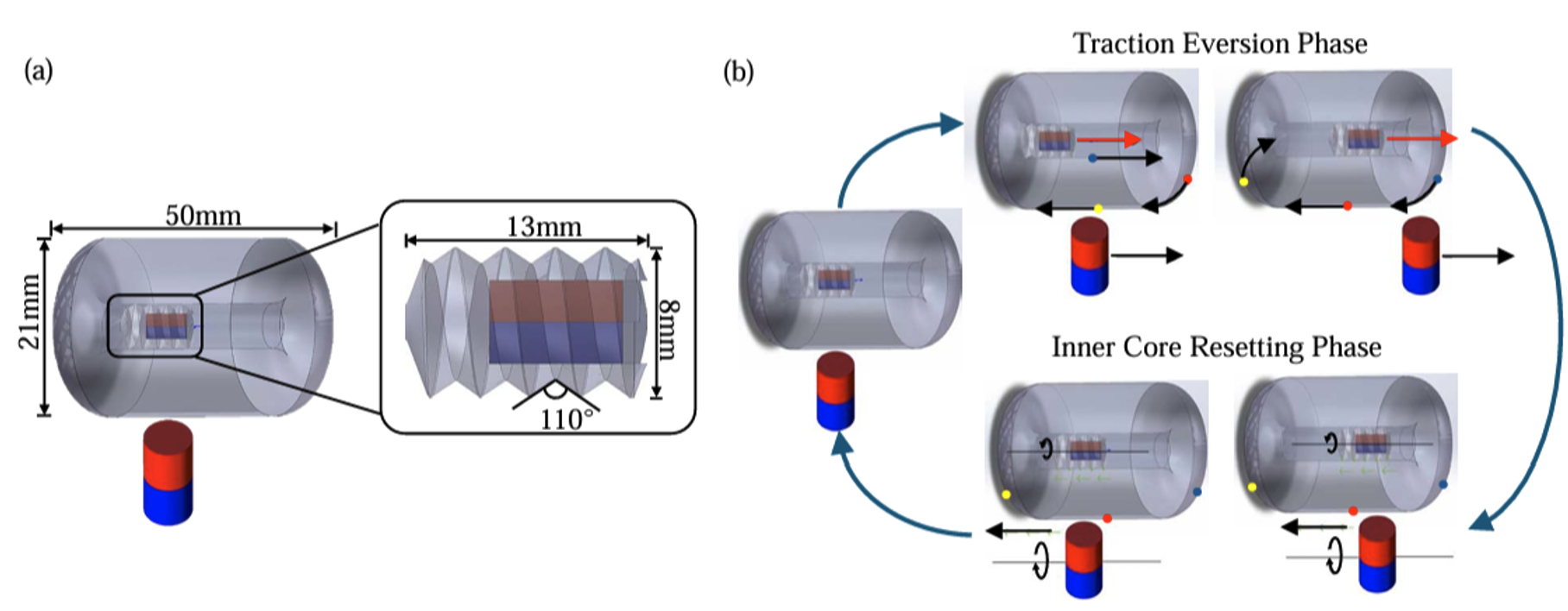
Figure 3. Design and working principle of the continuous-everting capsule robot. (a) Design parameters of the continuous-everting capsule robot. (b) The forward motion cycle of the robot. Three colored markers (blue, red, and yellow) are utilized to track the movement of the outer film. During the traction eversion phase, magnetic attraction drives the inner core forward, which induces the eversion of the outer film via friction between the two components. In the inner core resetting phase, the external magnetic field rotates and translates, causing the inner core to simultaneously rotate and move backward. During this resetting phase, the outer film remains static.
Figure 4. Experimental validations. (a) The capsule robot prototype and the diagram of the actuation control board. (b) Experimental evaluation of the capsule robot’s eversion movement and the inner core’s resetting capability. During the eversion experiment, external magnetic traction pulled the robot forward approximately 4cm in 4 seconds. In the resetting experiment, the inner core retracted through the robot’s internal cavity in 9 seconds. Throughout this resetting process, the outer film remained entirely stationary. (c) The record of the positions of the robot and the inner core during the experiments. It can be measured that the average velocity of the robot moving and the inner core resetting are 7.5mm/s and 4.4mm/s, respectively.
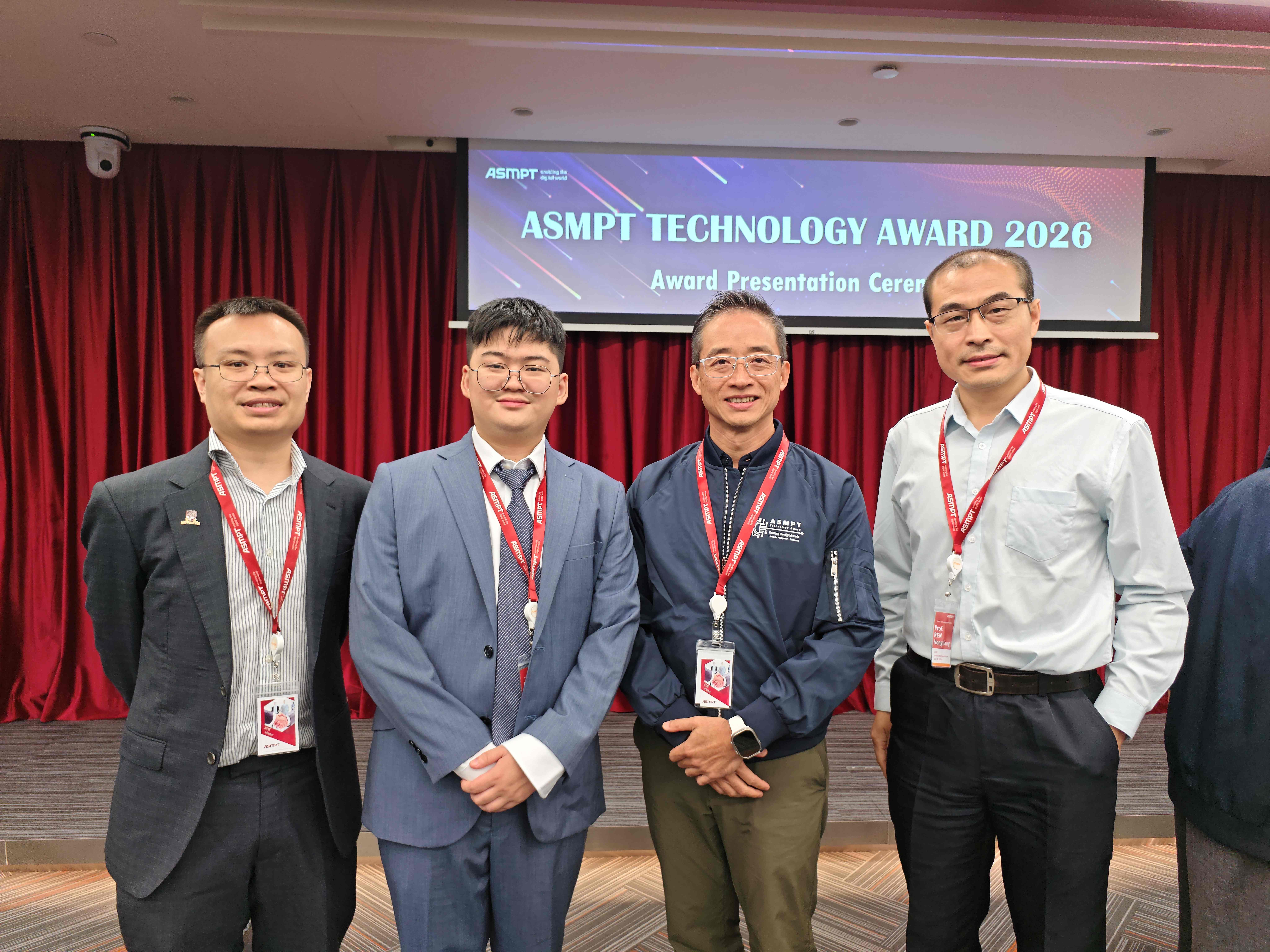
We are pleased to announce that a final-year project developed by Bosco CHIM Ho Yin, under the supervision of Prof. Hongliang Ren, has received an Outstanding Award at the ASMPT Technology Award 2026.
The project addresses critical safety challenges in endoscopy, where clinicians often face limitations due to a lack of direct physical feedback during procedures. The team developed an intelligent, integrated device interface that enables real-time monitoring of interactions between medical instruments and patient tissue.
By utilizing advanced sensing and optimized processing, the system provides precise data that enhances procedural safety and control. This research contributes a valuable framework for future automated and semi-automated surgical tools, aiming to improve patient outcomes by reducing operational risks.
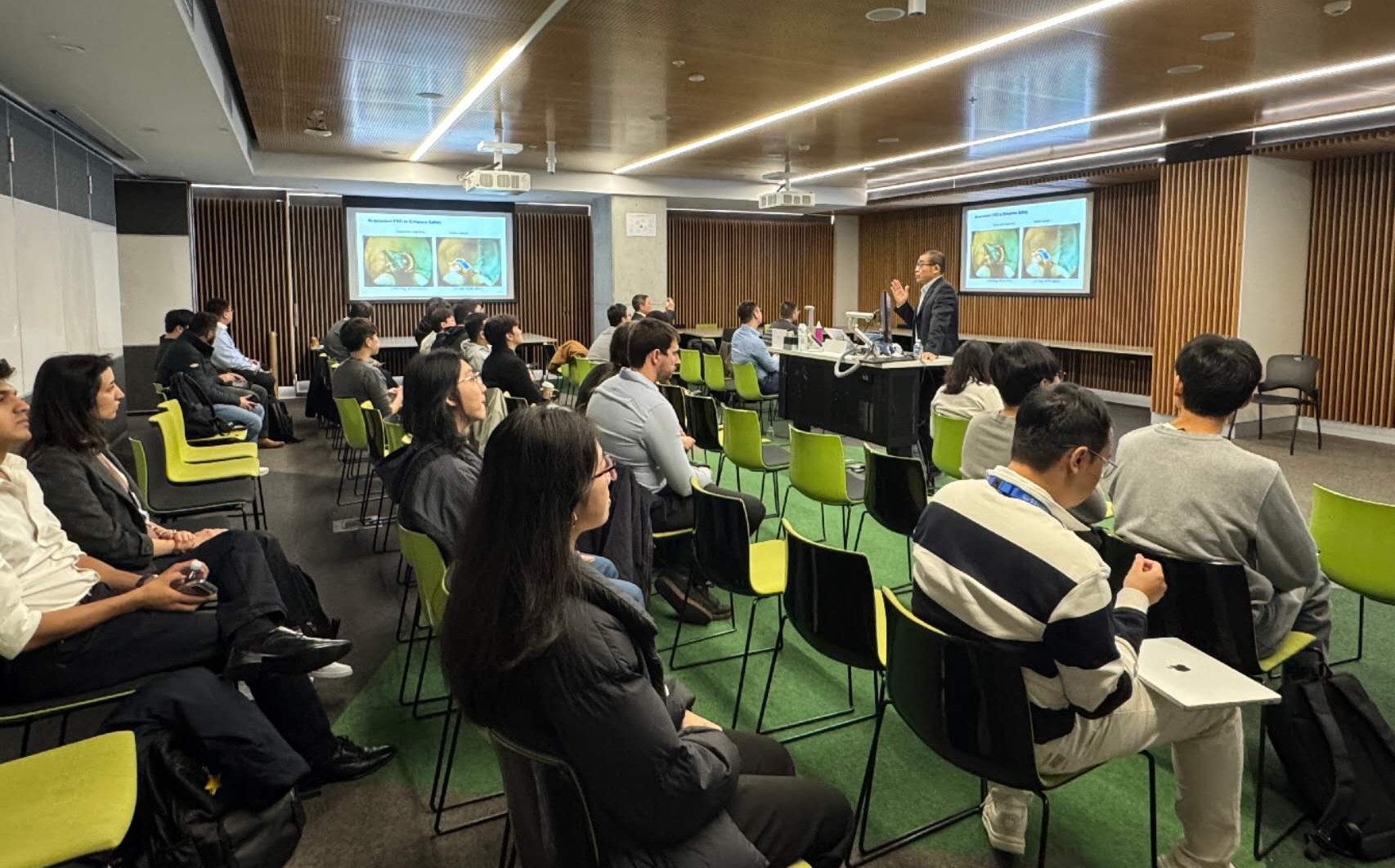
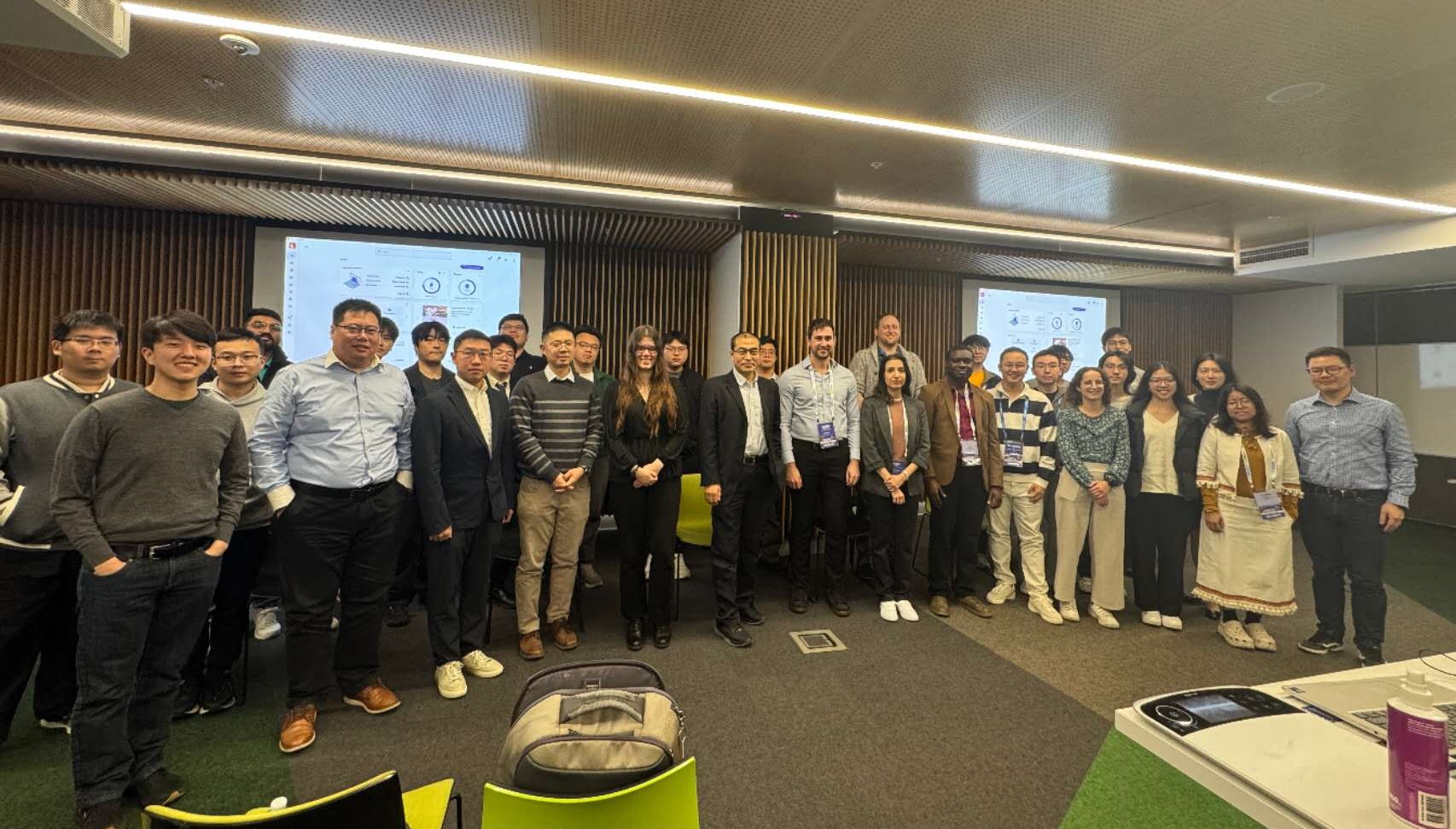
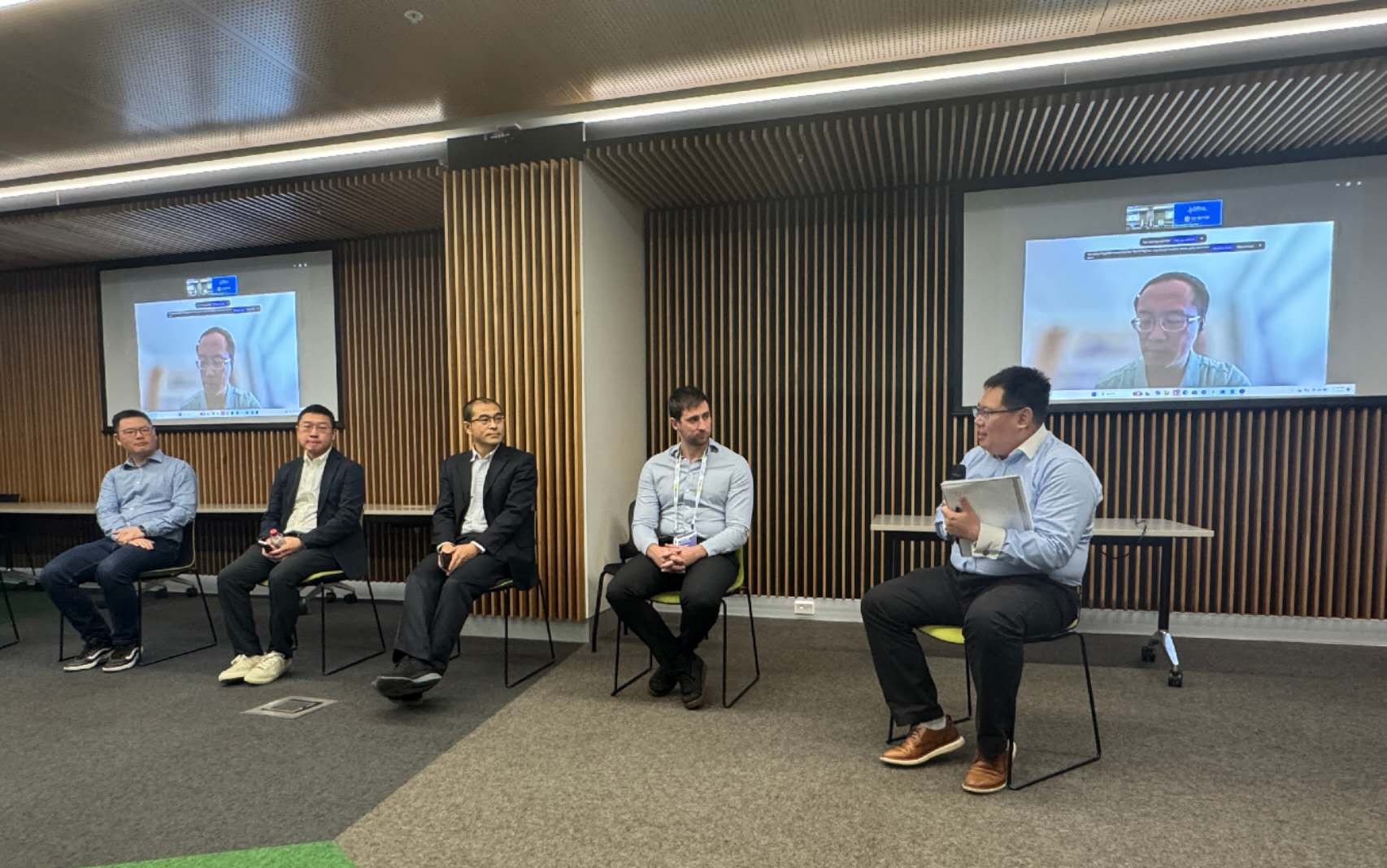
On July 13, 2026, in Sydney, Prof. Hongliang Ren participated as a distinguished keynote speaker and panelist at the Robotics: Science and Systems (RSS) 2026 workshop, titled “Bridging AI and Robotics: Towards Safer and Smarter Healthcare“.
The workshop brought together leading researchers, clinicians, and industry experts to explore the future of intelligent surgical robotics. Prof. Ren delivered the keynote presentation for Session 1, sharing insights on his recent developments in dexterous robotic motion generation and perception. His talk highlighted the advancement of intelligent, image-guided minimally invasive procedures and the practical pathways for moving surgical robotic systems from technical development toward real-world clinical use.
In addition to his keynote, Prof. Ren contributed to a 30-minute panel discussion centered on the theme: “Closing the Translation Gap: Aligning Research, Industry, and Clinical Practice for Safe, Deployable Intelligent Surgical Robotics“. Drawing on his extensive experience in robotic technology, AI development in academic settings, and collaborations with hospitals, Prof. Ren provided a unique perspective on the regulatory, usability, and safety challenges facing the field.
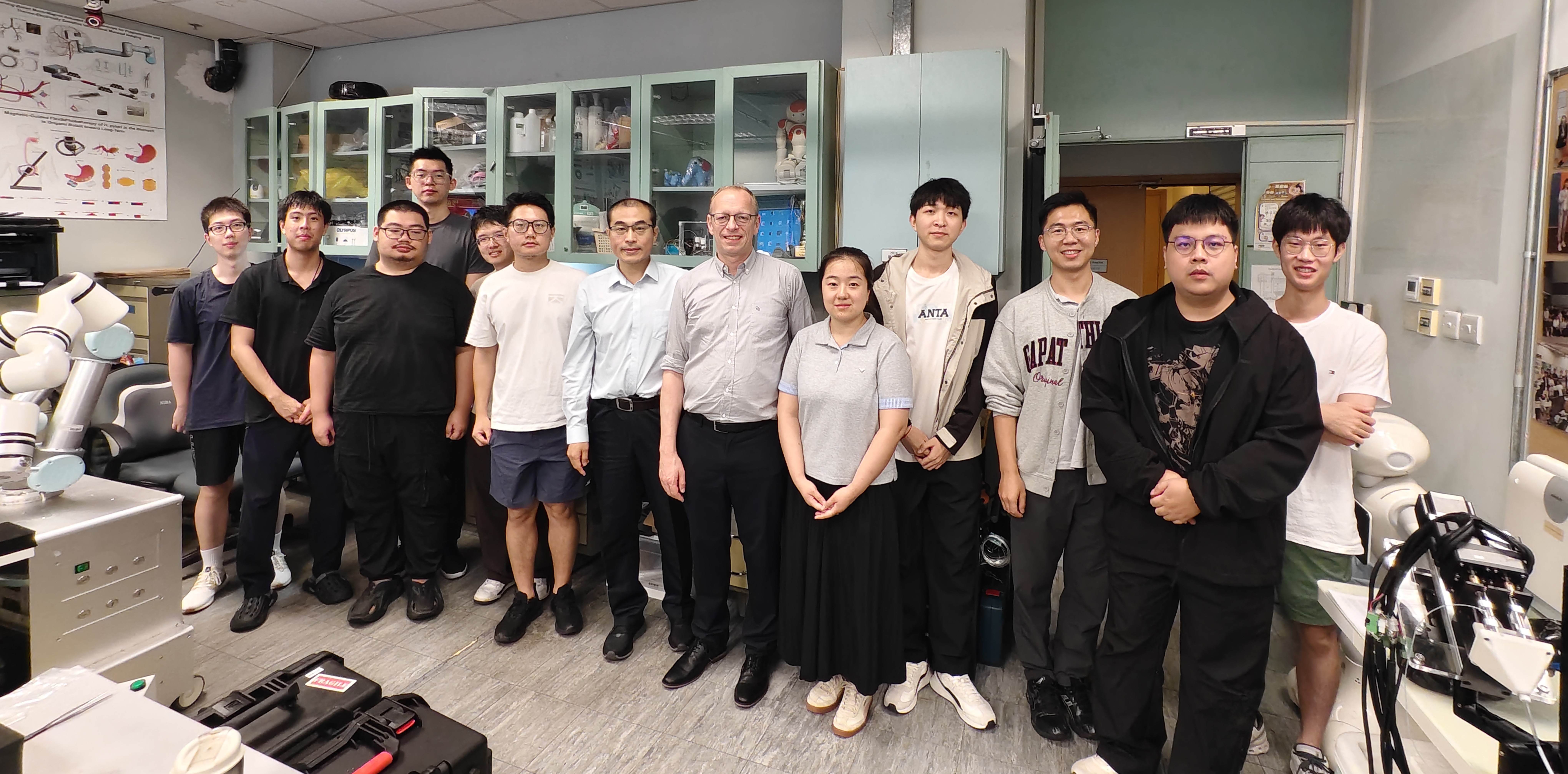
July 2026 – The Ren Lab at The Chinese University of Hong Kong (CUHK) was pleased to host a productive visit from Prof. Emmanuel Vander Poorten (KU Leuven) and his postdoc, Dr. Ruixuan Li. This visit offered a valuable opportunity to exchange ideas and strengthen collaborative ties in medical robotics.
The delegation visited Hong Kong on July 9th, where they spent a busy morning at the Medical Robotics Center (MRC) in Science Park. The afternoon was dedicated to a half-day visit to the Ren Lab. During this time, Prof. Vander Poorten and Dr. Li engaged directly with our students, reviewing ongoing research in soft robotics and embodied AI.
We look forward to continued joint efforts. We extend our sincere thanks to Dr. Zhongliang Jiang for coordinating this memorable visit and to all the team members who made it a success.
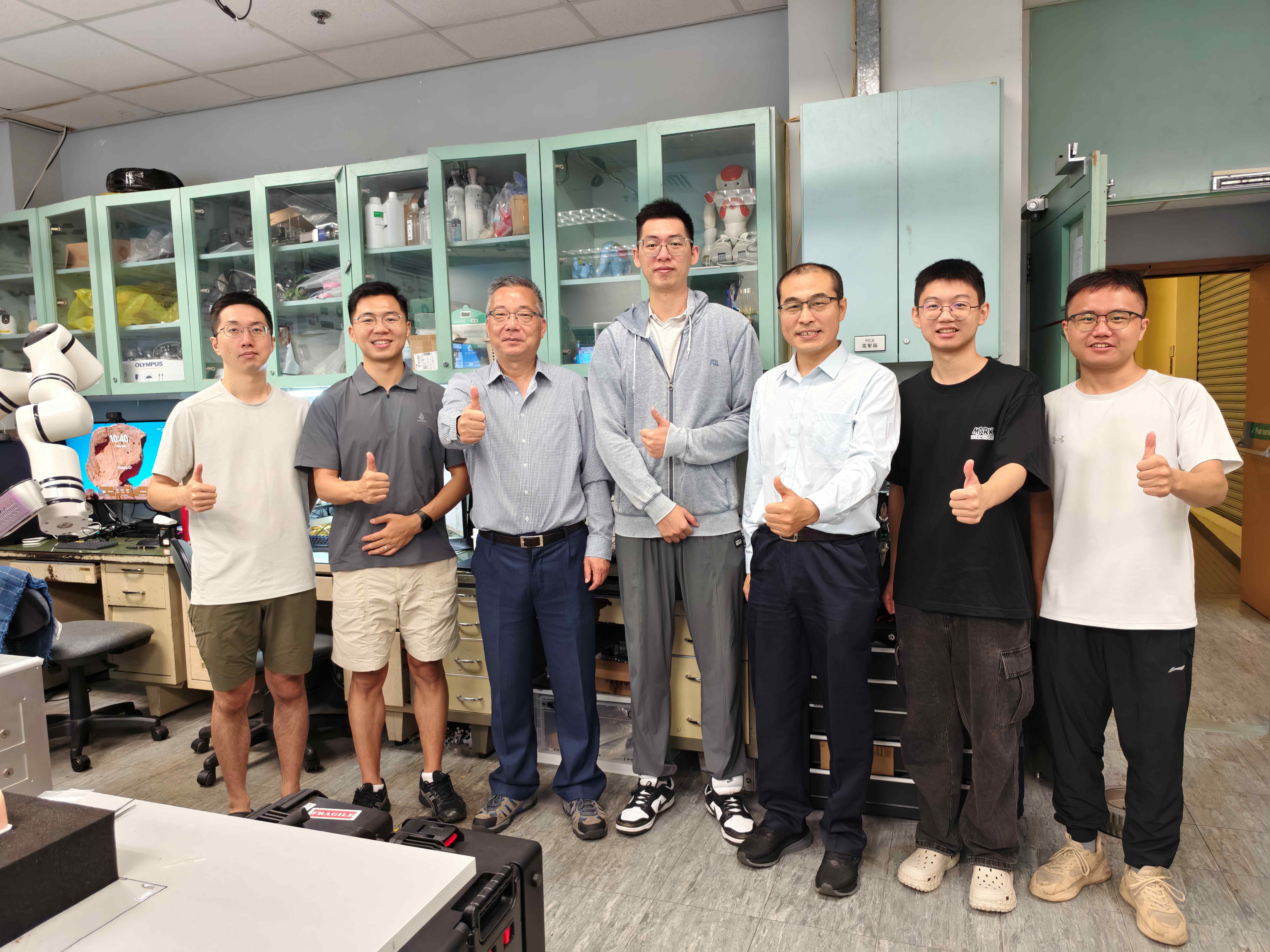
July 2026 – The Ren Lab hosted Prof. Peter Xu from the University of Auckland for a week-long visit (July 2–8).
Prof. Xu visited CUHK under the Faculty Mobility Scheme, during which he collaborated with our faculty members on ongoing research. The week was filled with high-level technical discussions and knowledge exchange, further cementing the research ties between our institutions.
We thank Prof. Xu for a very productive visit and look forward to continuing our collaboration.
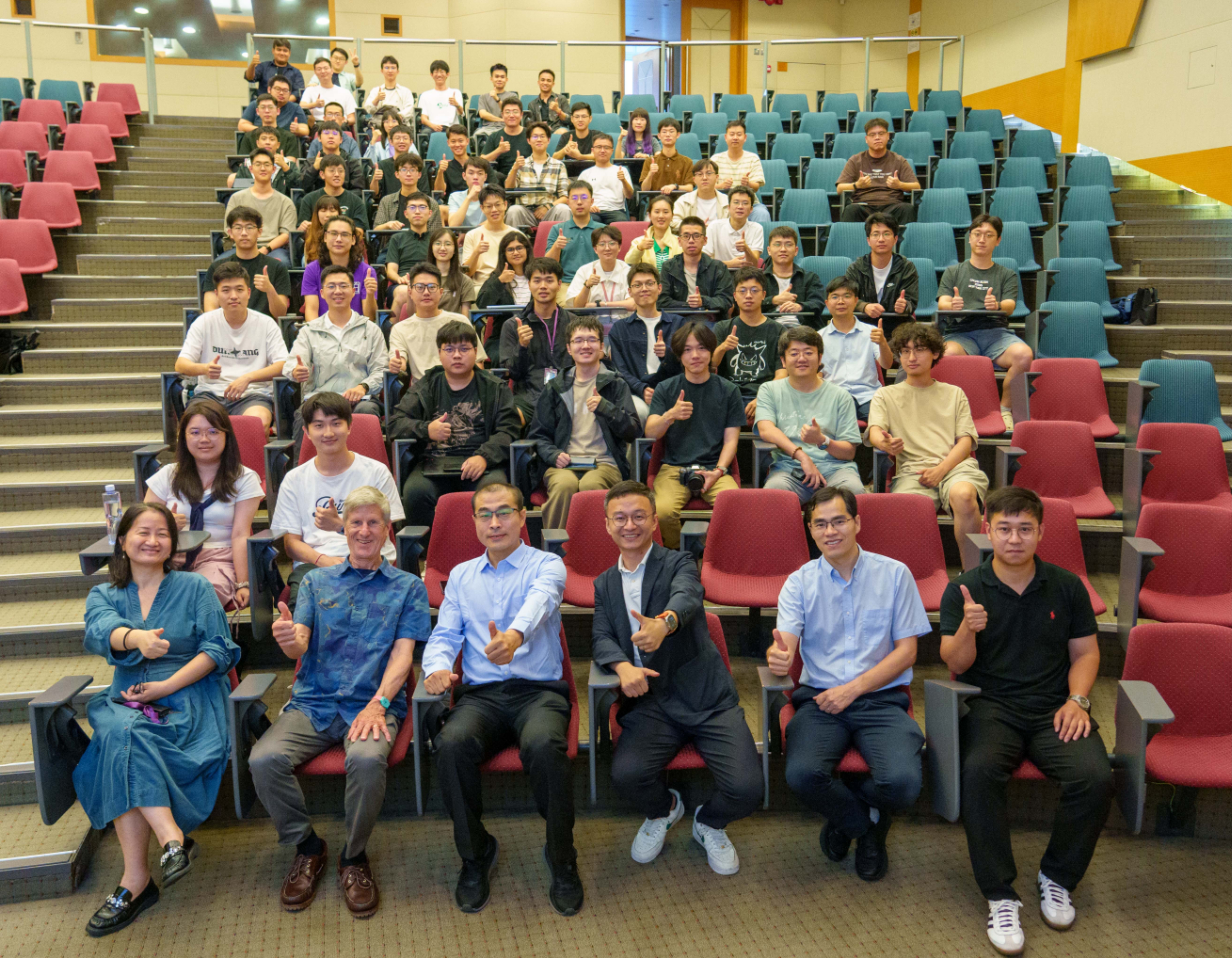
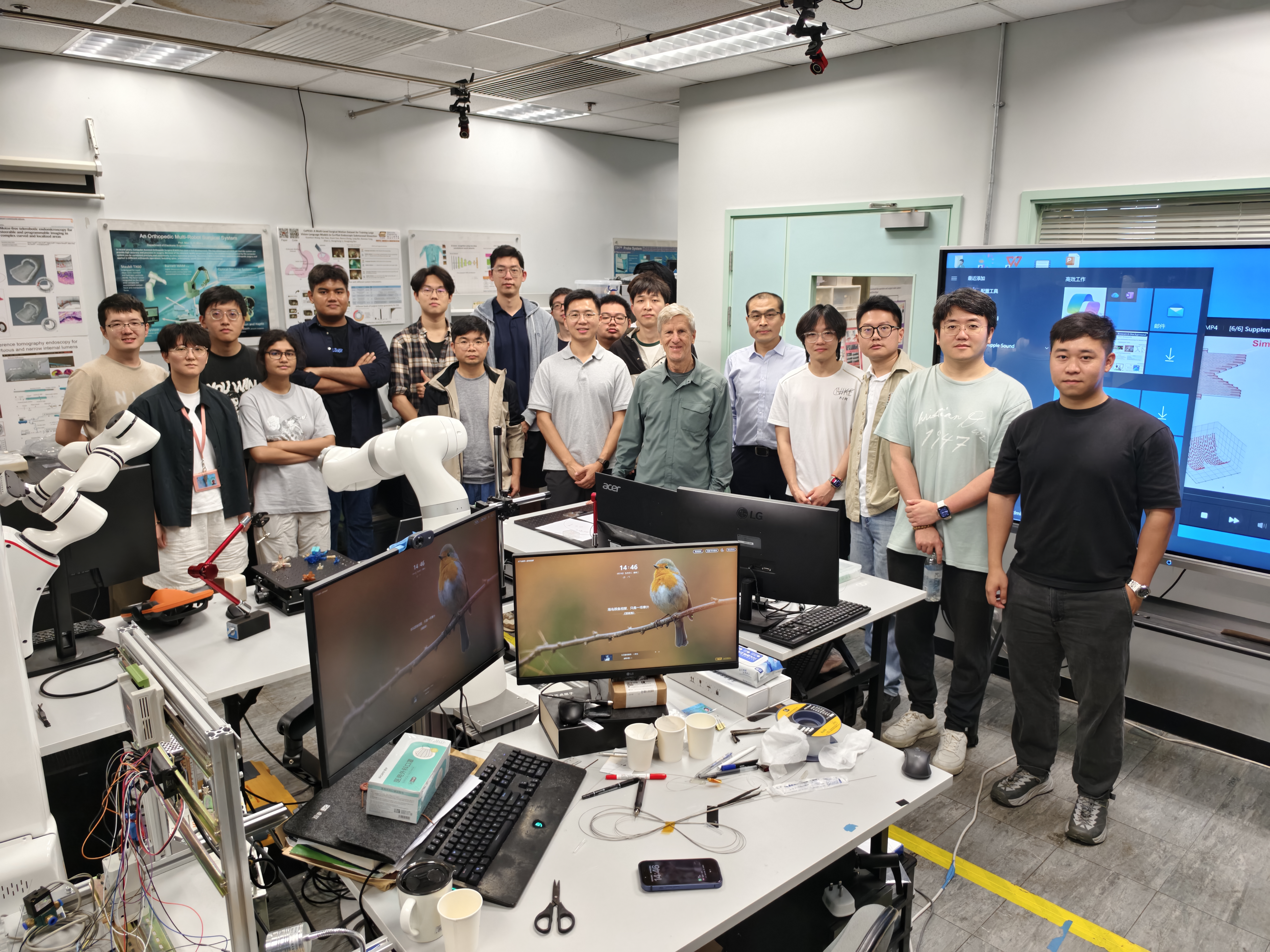
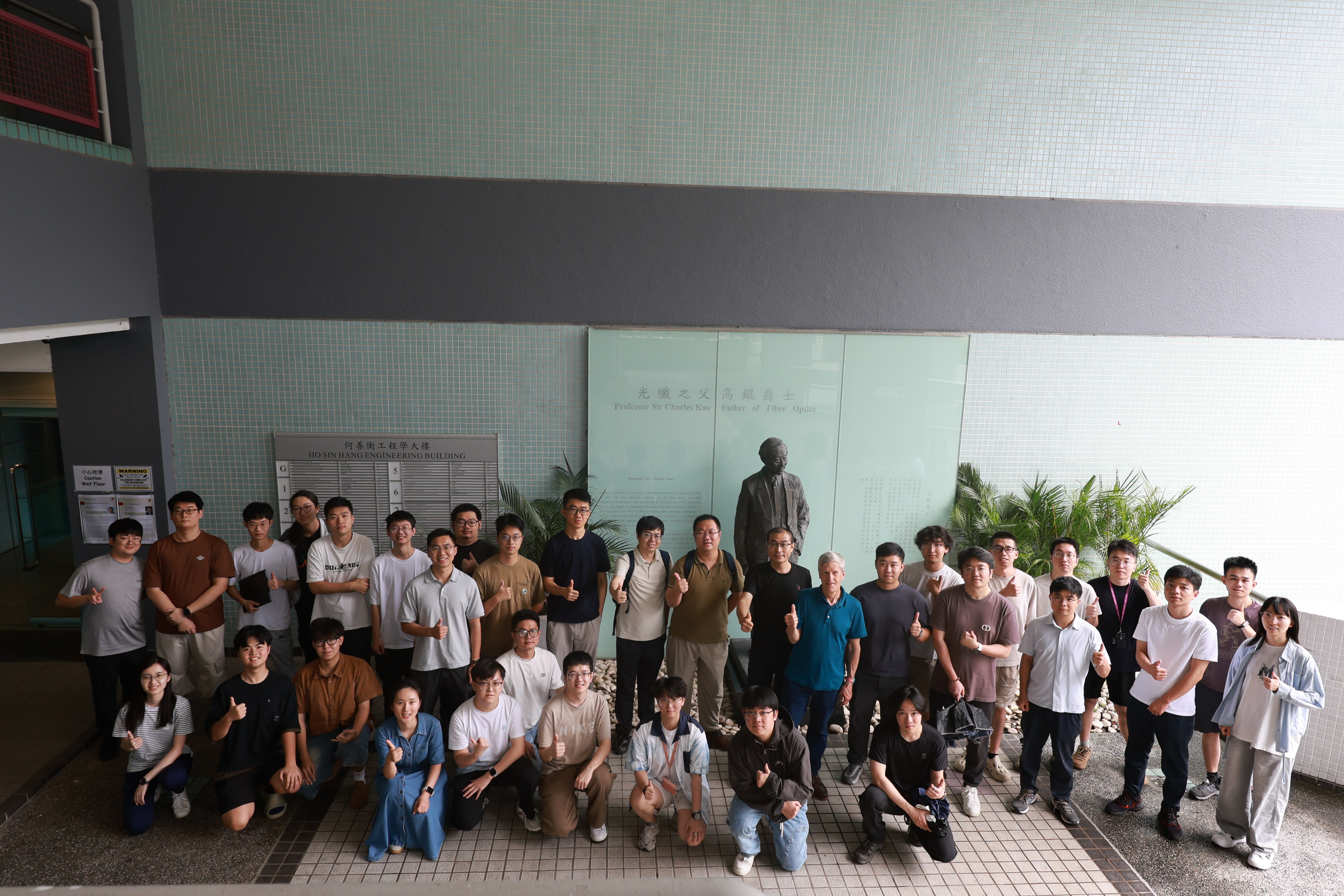
June 18, 2026 – Prof. Mark R. Cutkosky, Fletcher Jones Professor in the Department of Mechanical Engineering at Stanford University, delivered a Faculty of Engineering Distinguished Lecture at The Chinese University of Hong Kong (CUHK), titled “Biomimetic Robotics for Medical Devices.” The lecture was held at TY Wong Hall, Ho Sin Hang Engineering Building, and was co-organized by the Department of Electronic Engineering.
Hosted by Prof. Hongliang Ren of CUHK, the lecture brought together faculty members, researchers, students, and collaborators with interests in medical robotics, soft robotics, bioinspired design, intelligent sensing, and biomedical engineering. In his talk, Prof. Cutkosky discussed how biological principles can inspire the design of robotic medical devices with tissue-like mechanical properties. He emphasized the importance of reducing mechanical mismatch between medical devices and biological tissues, particularly in applications involving soft contact, safe interaction, and minimally invasive procedures.
Prof. Cutkosky introduced a range of medical robotic devices and sensors that employ biomimetic and bioinspired design strategies. Examples included MRI-compatible tools for biopsy and diagnostic palpation, implantable cardiac devices, and soft sensing systems. He also discussed key engineering challenges in developing materials and mechanisms that can reproduce the nonlinear, large-strain, and adaptive behaviors observed in biological tissues.
During his visit to CUHK, Prof. Cutkosky also visited Ren lab and exchanged views with faculty members, researchers, and students on medical robotics, surgical navigation, soft robotic devices, intelligent sensing, image-guided intervention, and translational biomedical engineering. Prof. Ren’s lab focuses on the development of advanced robotic and intelligent systems for healthcare applications, with research interests spanning medical robotics, medical imaging, navigation, human–robot interaction, and AI-assisted medical technologies. The lab visit provided an opportunity for in-depth academic discussion and further strengthened the research connection between CUHK and Stanford University.
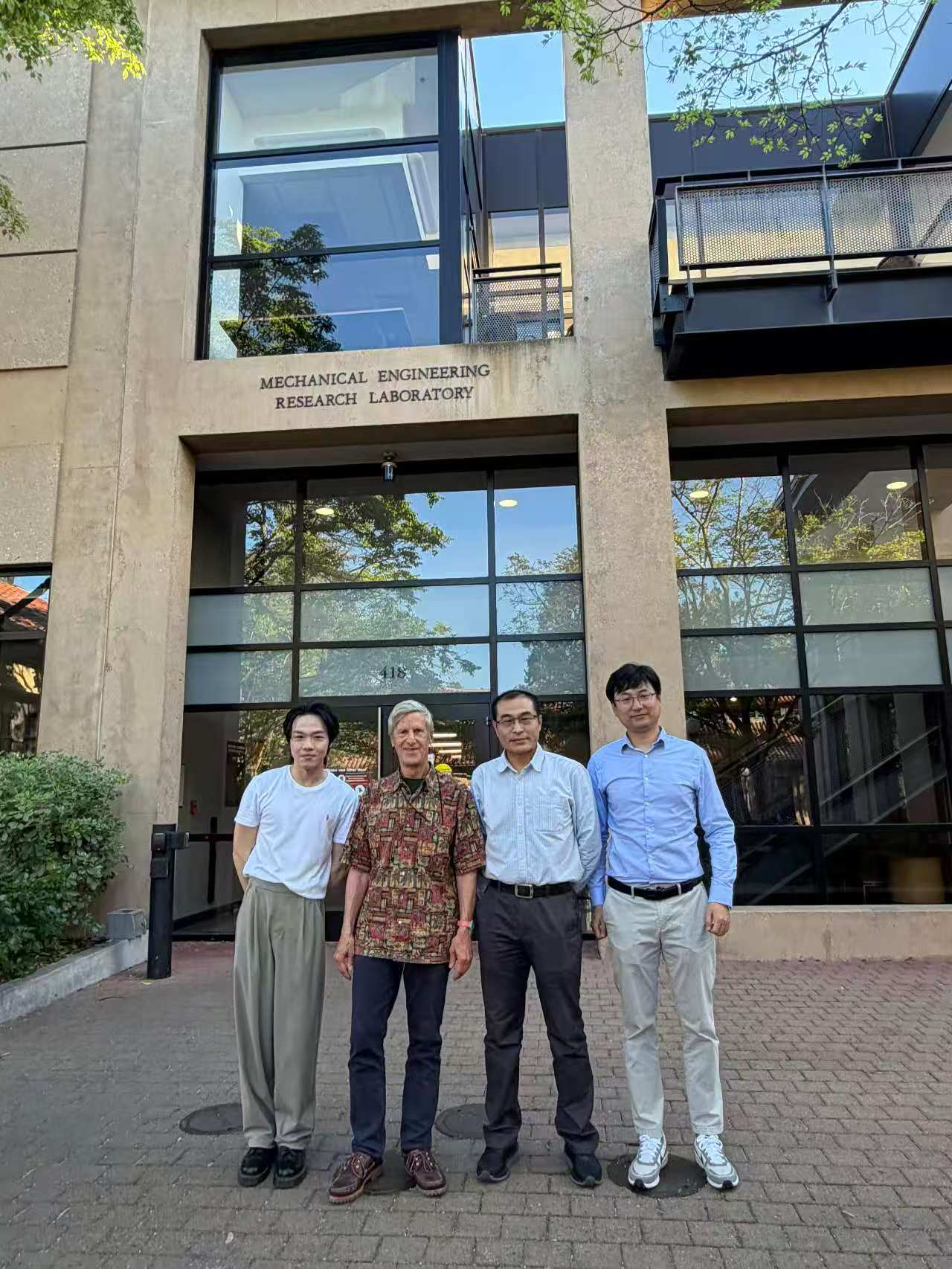
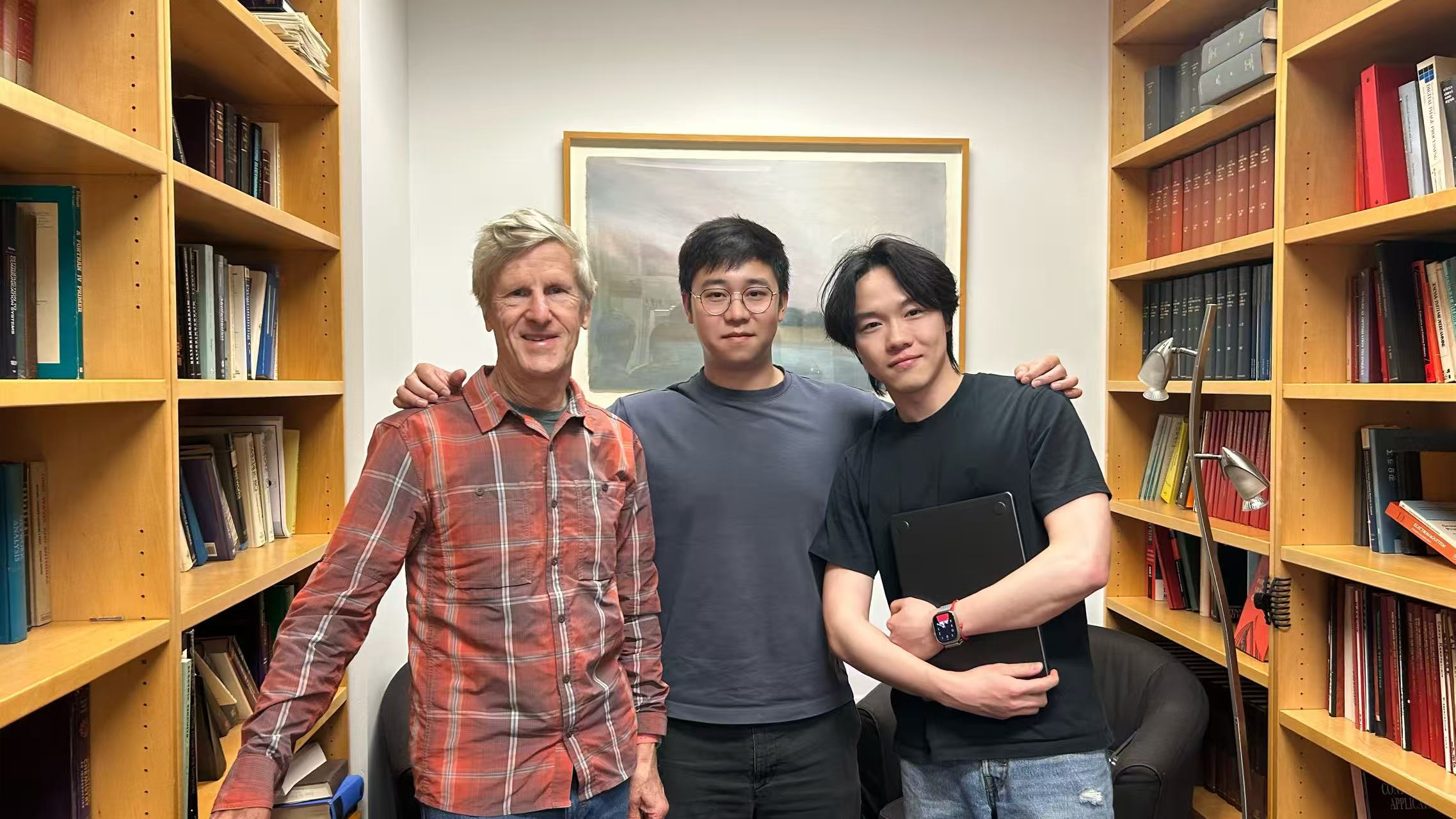
The lecture and lab visit also reflect the continuing academic exchange between Prof. Ren’s lab at CUHK and Prof. Cutkosky’s research group at Stanford University. During the GTC conference period, Prof. Ren visited Stanford University for a research exchange and met with Prof. Cutkosky’s team, lab alumni, and clinical collaborators. Participants in the exchange included Teo, a former intern of Prof. Ren’s lab and current Ph.D. student at Stanford University; Catherine, a collaborating clinician affiliated with Prince of Wales Hospital and Stanford University; and Dr. Qiu, an alumnus of Prof. Ren’s lab and current researcher at Stanford University.
The exchange is supported by the Stanford University–CUHK bilateral joint collaboration and exchange project. Under this project, Prof. Lai and Mr. Tao Zhang from Prof. Ren’s lab also conducted academic visits at Stanford University. These mutual visits have promoted closer collaboration between the two institutions and created further opportunities for joint research in medical robotics, biomimetic devices, intelligent surgical systems, and clinically oriented engineering research.
Prof. Cutkosky is internationally recognized for his contributions to robotic manipulation, tactile sensing, and biologically inspired robot design. His Distinguished Lecture at CUHK provided an important platform for sharing research insights and promoting future collaboration between CUHK and Stanford University in next-generation medical robotic technologies.
About Prof. Mark R. Cutkosky
Prof. Mark R. Cutkosky is the Fletcher Jones Professor in the Department of Mechanical Engineering at Stanford University. His research spans robotic manipulation, tactile sensing, biologically inspired robotics, design and manufacturing, and medical-device innovation. He is widely recognized for his contributions to bioinspired robotic systems, including gecko-inspired adhesives, climbing and perching robots, soft sensing technologies, and robotic devices for healthcare applications. His work has had broad impact across robotics, human–robot interaction, biomimetic design, and translational medical engineering.
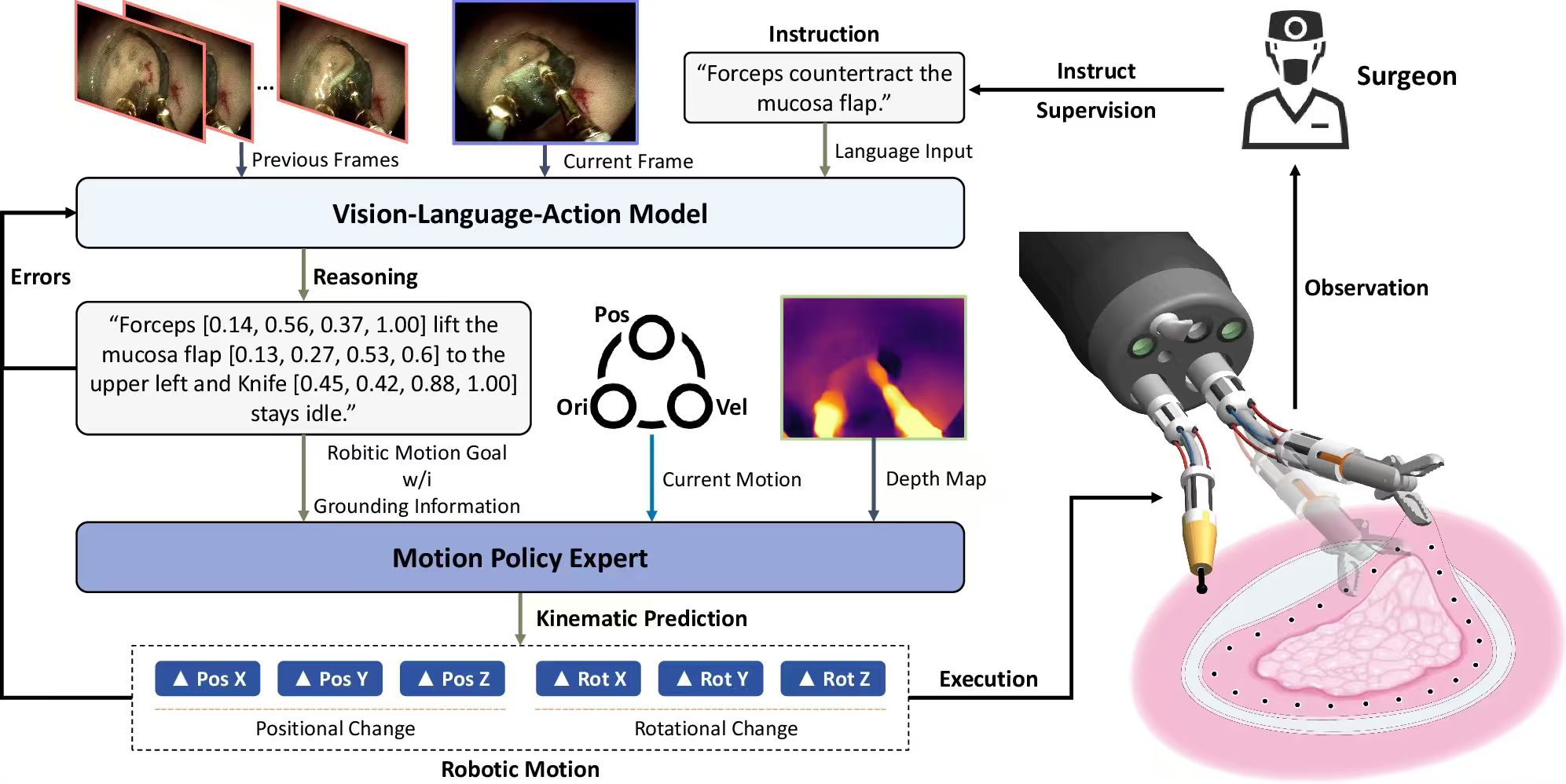
We are excited to share our latest Comment published in #npj Digital Medicine: “How can reasoning capability empower the AI copilot robot in endoscopic surgery”
Current AI copilots in endoscopic surgery are still largely reactive and vision-driven. While they can detect anatomy, instruments, and scene changes, they often still struggle to truly understand surgical intent, infer hidden tissue dynamics, and respond robustly to uncertainty—all of which are essential for safe and precise intraoperative assistance.
In this article, we highlight how reasoning capability can become a key enabler for the next generation of AI copilot robots in endoscopic surgery:
🧠 Reasoning beyond perception: Enabling VLA-based surgical robots to go beyond simple visual recognition and translate high-level surgeon intent into precise, context-aware low-level motion goals.
🔄 Multimodal and uncertainty-aware intelligence: Fusing endoscopic vision with preoperative imaging, intraoperative sensing, and tracking signals, while dynamically re-weighting information sources under occlusion, bleeding, smoke, and other uncertain conditions.
🤝 Coordinated multi-instrument collaboration: Supporting synchronized control of multiple tools for subtasks such as traction, dissection, and hemostasis, with reasoning-guided adaptation to tissue deformation and workflow variation.
🔮 Anticipatory and safer decision-making: Using chain-of-thought-style reasoning to forecast tissue response, evaluate possible action outcomes, and generate more conservative and interpretable assistance under risk.
🏥 Surgeon-in-the-loop clinical deployment: Framing the AI copilot robot at LoA 2–3, where the system assists with task generation, monitoring, and bounded low-level execution under explicit safety constraints and continuous surgeon oversight.
We believe the future of endoscopic robotic assistance lies not only in systems that can see, but in systems that can reason, adapt, and collaborate. With reasoning-enabled VLA models, AI copilot robots may evolve from reactive executors into true cognitive partners in the operating room.
📃 Read the full paper here: https://www.nature.com/articles/s41746-026-02827-8
👏 Kudos to the team: Mr. Guankun Wang, Dr. Long Bai, and Prof. Hongliang Ren.
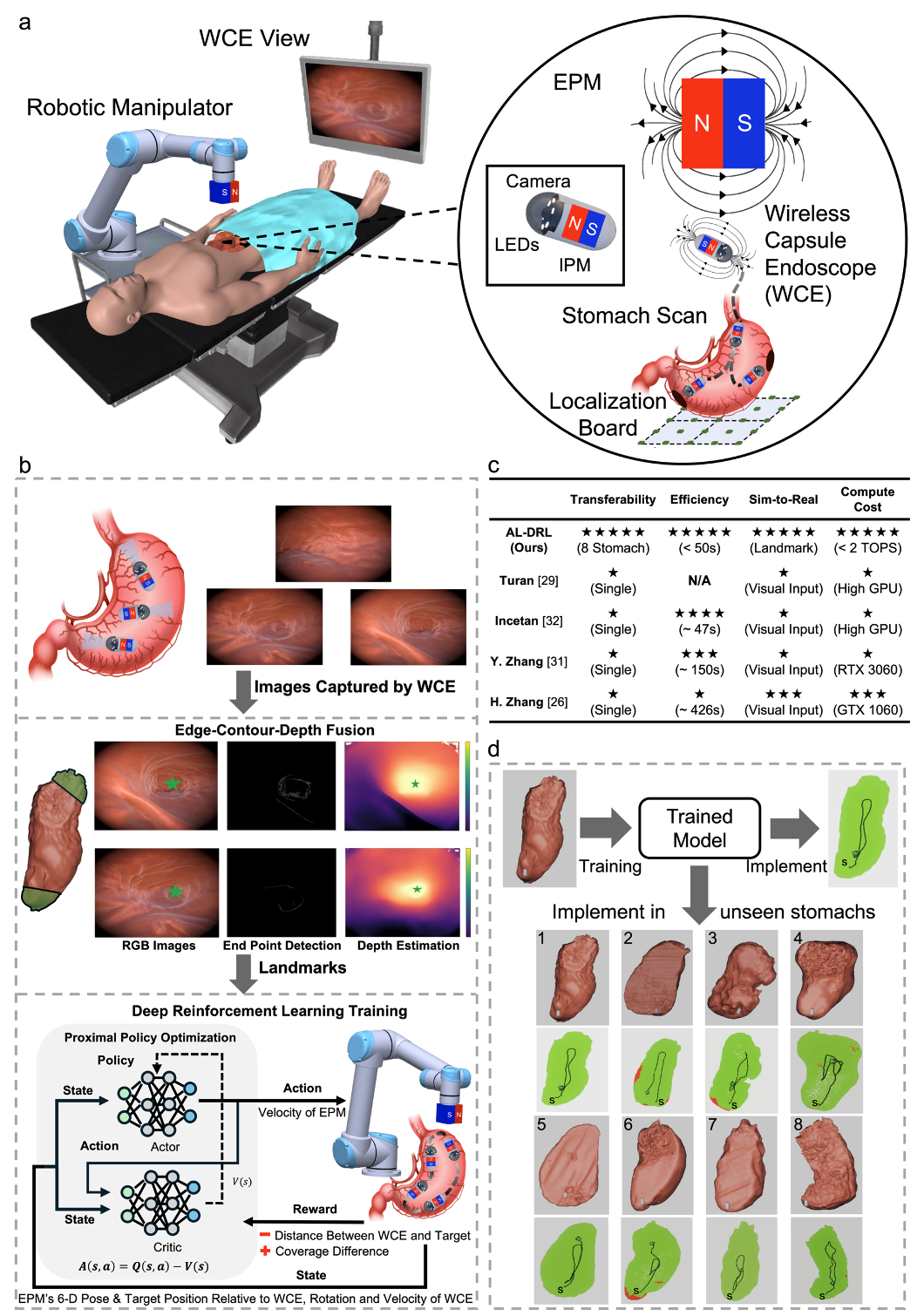
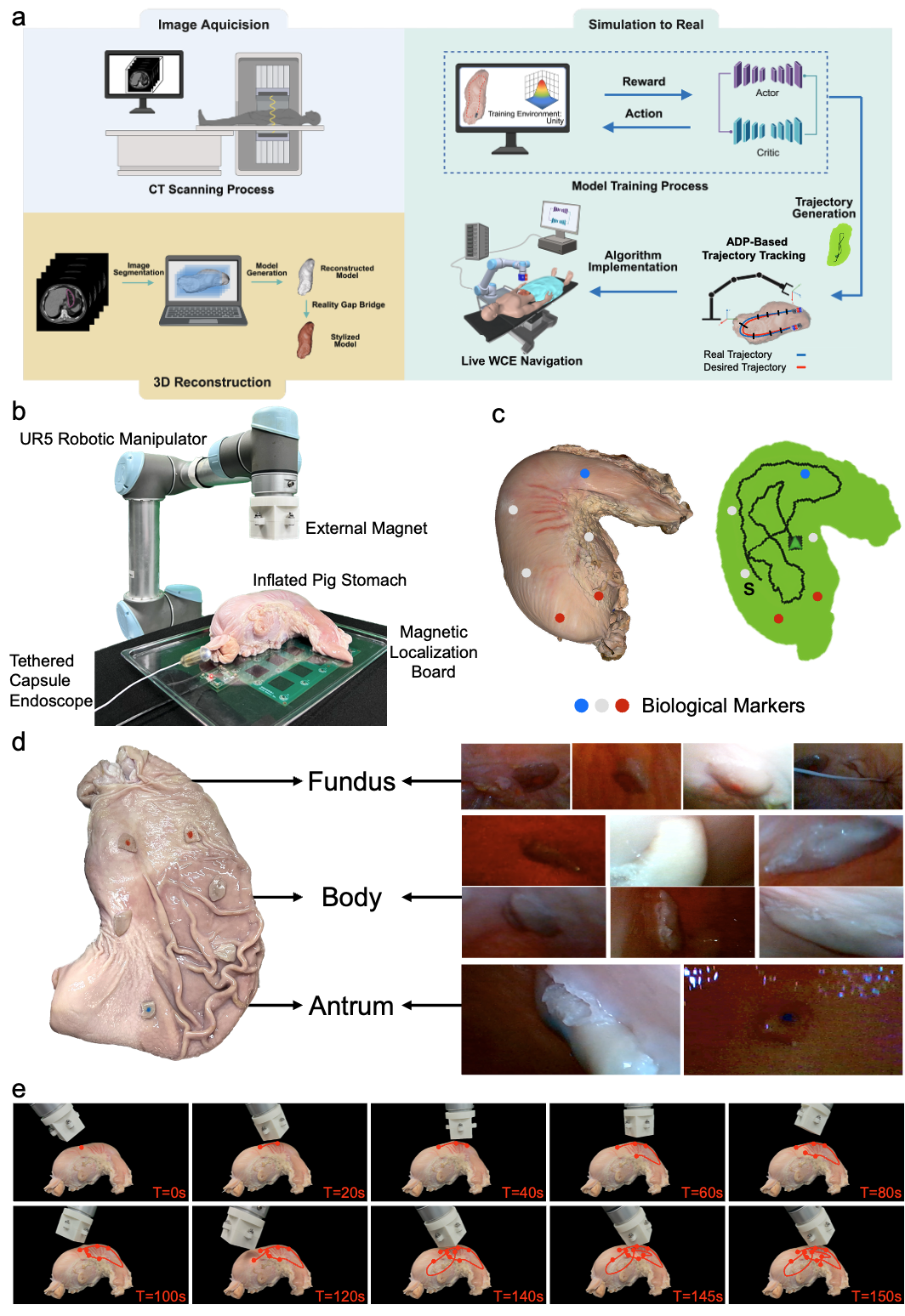
Thrilled to share our latest Advanced Science work on enabling highly transferable, autonomous navigation for wireless capsule endoscopy (WCE)—using a lightweight Edge-Contour-Depth Fusion module and deep reinforcement learning (DRL).
WCE has revolutionized GI diagnostics, but its potential is often restricted by incomplete mucosal coverage and the poor ability of existing AI navigation methods to adapt across different patient anatomies. This motivated us to ditch the heavy, brittle, traditional “end-to-end” visual video streams that cause AI models to overfit to a single patient.
🧠✨ What we developed: A unified, clinically viable framework that features: 🔹 Anatomical Landmark Guidance: Operates on stable, low-dimensional coordinates of conserved gastric structures (the fundus and pyloric antrum) rather than high-dimensional raw video. 🔹 Lightweight Perception Module: Combines classical Canny edge detection and Hu moments with a compact monocular depth network (DispNet) to run efficiently on low-power clinical hardware. 🔹 Robust Sim-to-Real Pipeline: Utilizes a patient-specific digital twin combined with a model-free Adaptive Dynamic Programming (ADP) controller to actively neutralize real-world physical disturbances and actuator latency.
🎯 Key Results: ✅ >97% mucosal coverage achieved within 50 seconds across 8 diverse, patient-derived stomach models in simulation. ✅ 87% mean coverage stability and a 53% reduction in procedure time during real-world ex-vivo experiments compared to expert manual control. ✅ Drastically reduced computational overhead, allowing deployment on low-cost processors (<2 TOPS).
💡 Why it matters: This study establishes a scalable paradigm that conquers the “reality gap” and patient anatomical variability in medical robotics. By decoupling perception from control, it removes the need for expensive, massive patient datasets and high-end GPUs, paving the way for operator-independent, intelligent GI diagnostics.
🌱 What’s next? We are expanding our training to encompass extreme pathological distortions (like hiatal hernias) and advancing toward fully wireless clinical deployment with dynamic, target-reaching capabilities for intraoperative pathologies.
June 10, 2026 – Prof. Hongliang Ren of CUHK is invited to deliver an invited talk at the MAE Seminar hosted by the Department of Mechanical and Aerospace Engineering, The Hong Kong University of Science and Technology (HKUST). The talk is entitled “Tethered & Tetherless Reconfigurations at Tissue-Continuum-Origami Interfaces in Vivo Soft Flexible Robotics.”
In this seminar, Prof. Ren shares recent advances in dexterous robotic motion generation and perception for intelligent image-guided procedures. His talk highlights the development of tethered and tetherless reconfigurable robots inspired by origami principles, aiming to address challenges in motion generation, flexibility, and adaptability in minimally invasive surgeries.
Prof. Ren introduces robotic systems that leverage variable-stiffness mechanisms and embedded context awareness to achieve dexterous manipulation within confined anatomical spaces. By eliminating tether constraints and utilizing reconfigurable origami-inspired structures, these systems provide new possibilities for safer, more adaptive, and more intelligent surgical interventions.
This seminar reflects Prof. Ren’s continuous efforts in medical robotics, soft continuum robots, intelligent control, multisensory perception, and next-generation minimally invasive robotic procedures.