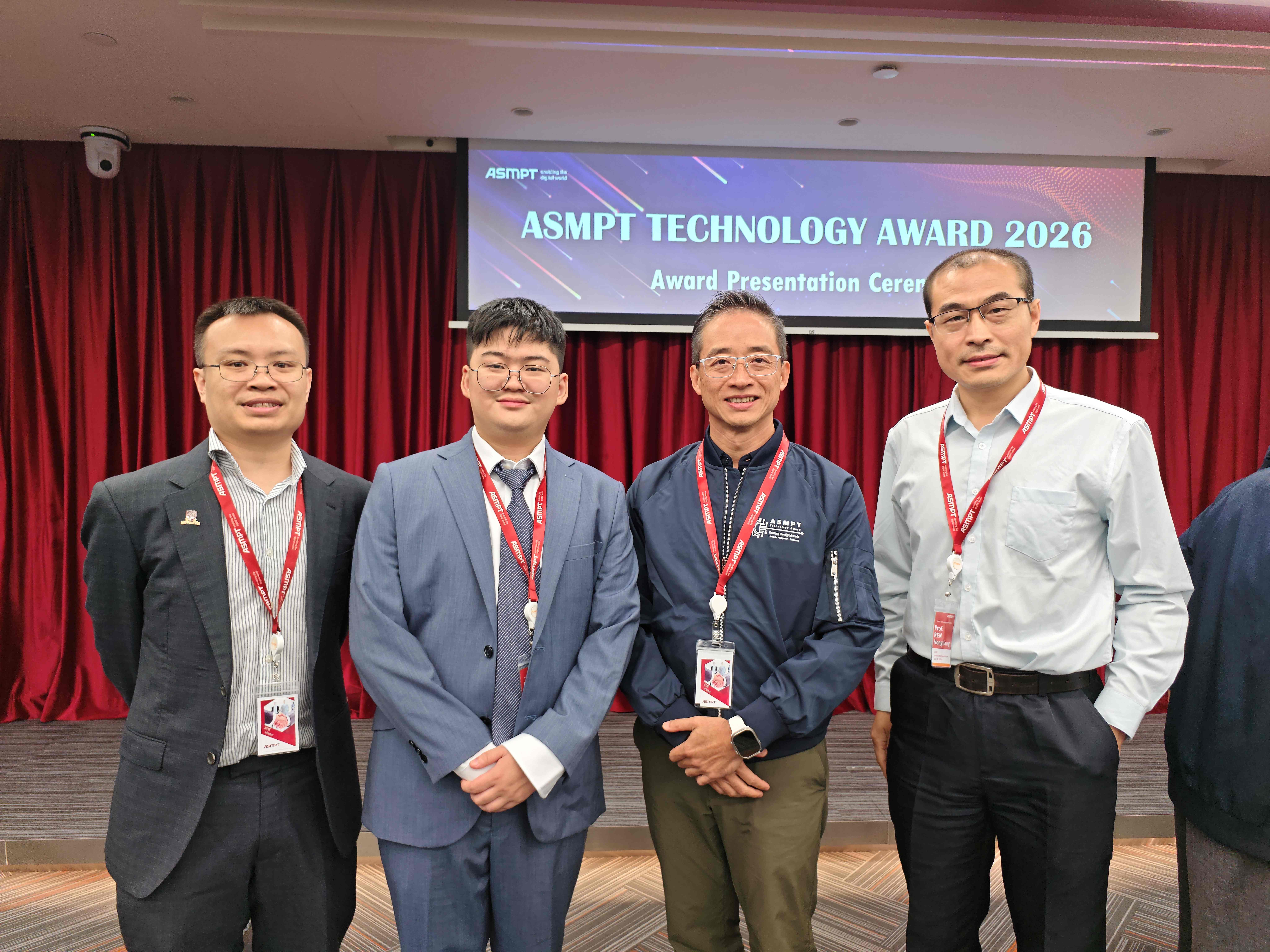
Prof. Mark R. Cutkosky Delivers Faculty of Engineering Distinguished Lecture on Biomimetic Robotics for Medical Devices at CUHK

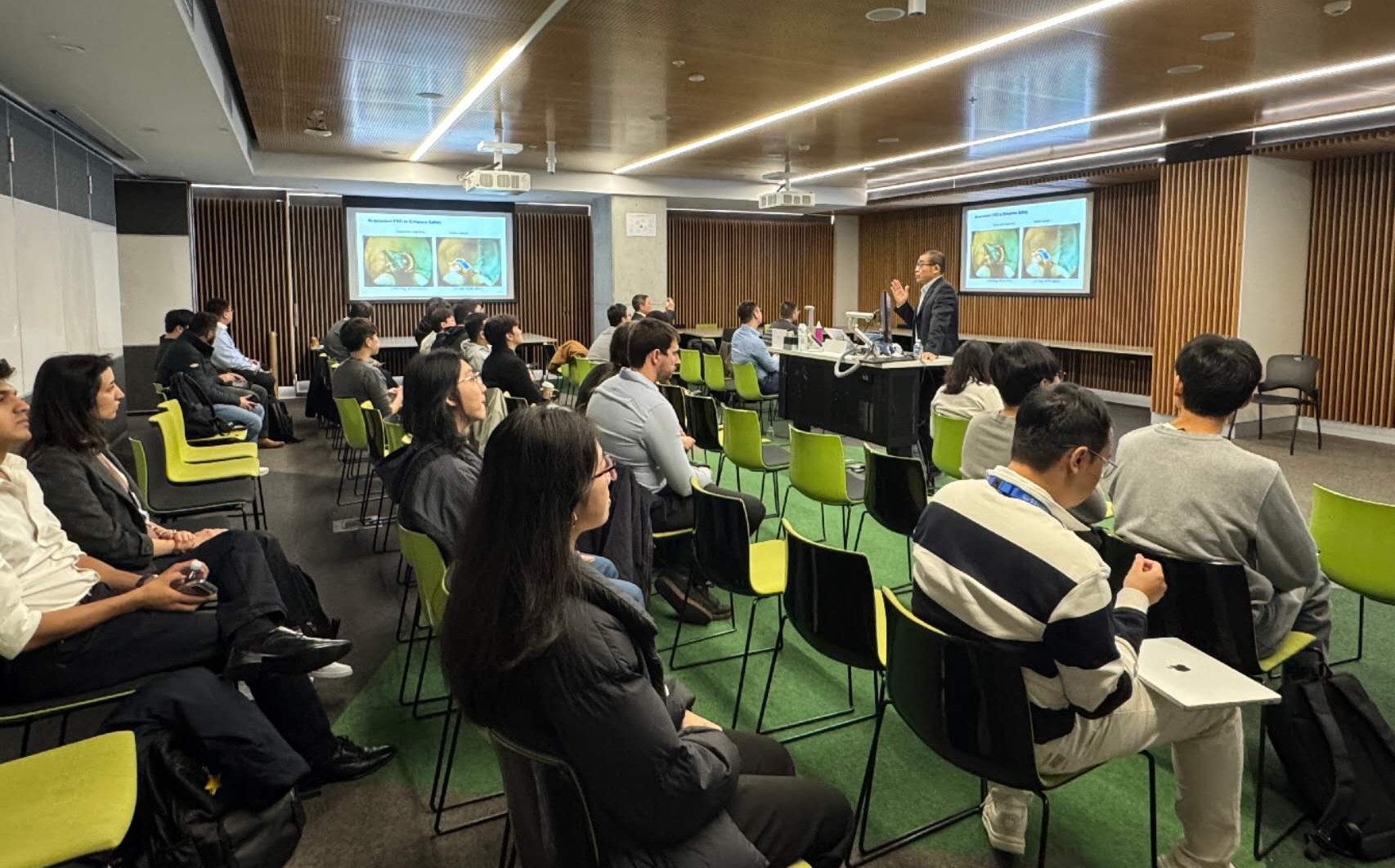
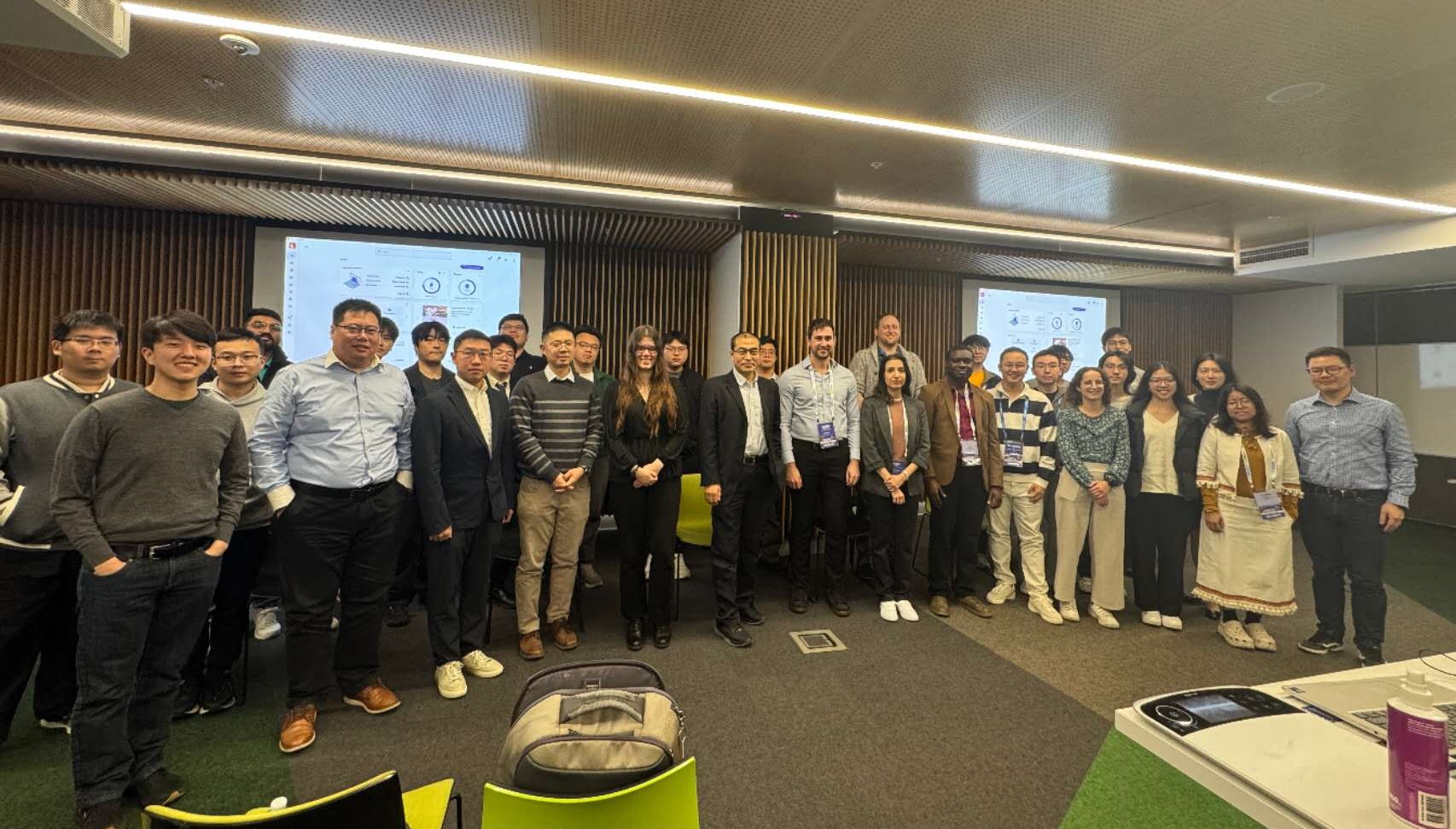
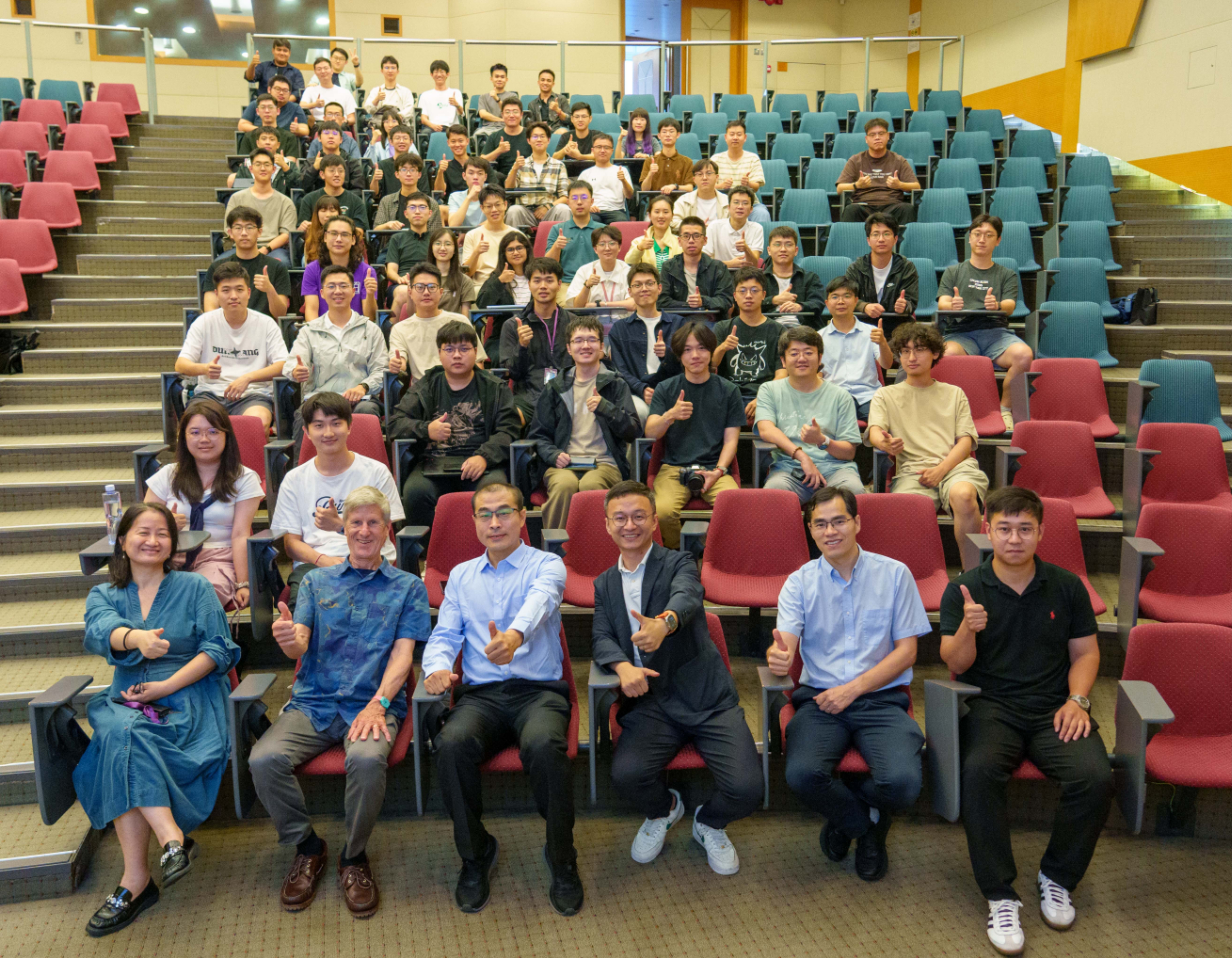
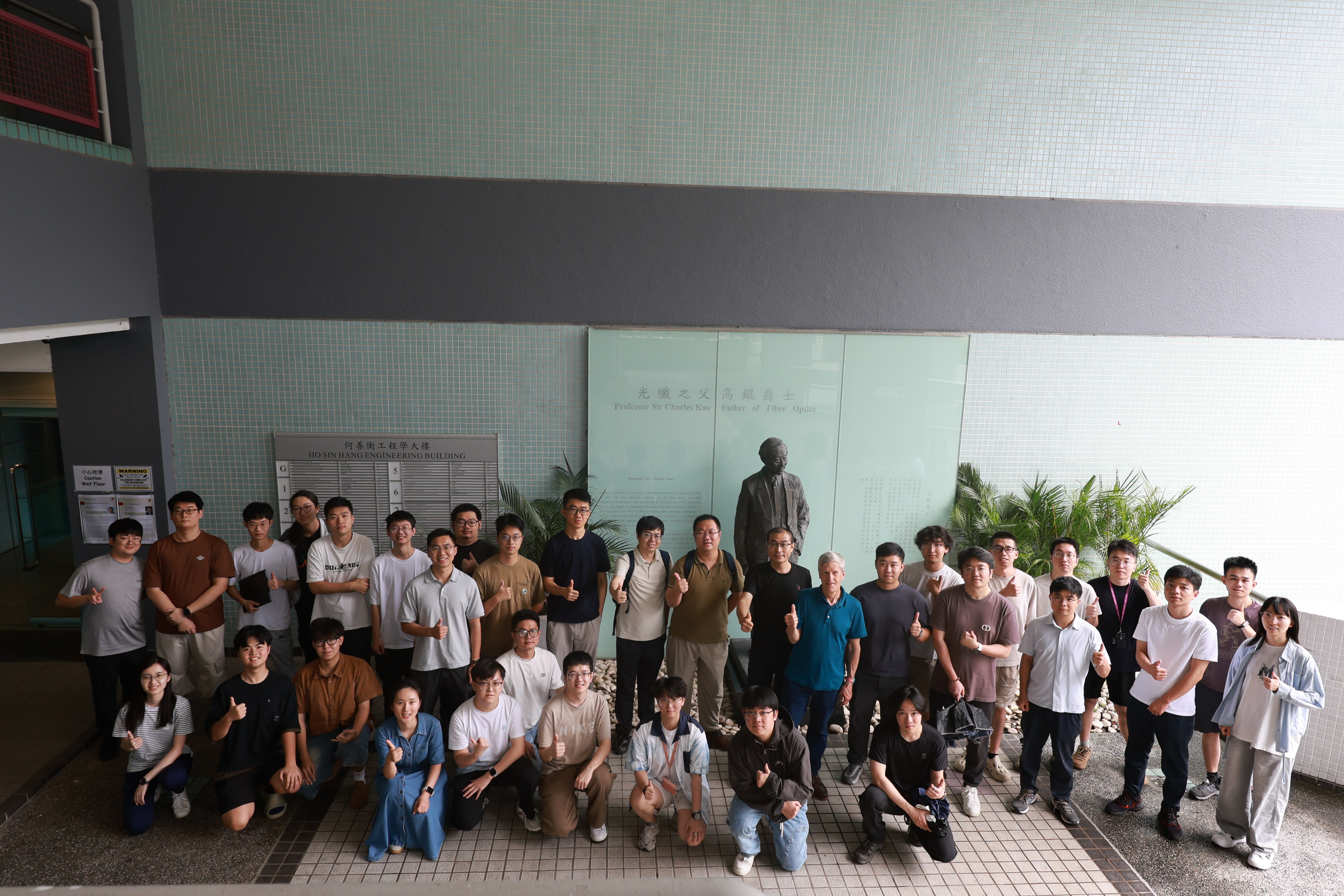
June 18, 2026Prof. Mark R. Cutkosky, Fletcher Jones Professor in the Department of Mechanical Engineering at Stanford University, delivered a Faculty of Engineering Distinguished Lecture at The Chinese University of Hong Kong (CUHK), titled “Biomimetic Robotics for Medical Devices.” The lecture was held at TY Wong Hall, Ho Sin Hang Engineering Building, and was co-organized by the Department of Electronic Engineering.

Hosted by Prof. Hongliang Ren of CUHK, the lecture brought together faculty members, researchers, students, and collaborators with interests in medical robotics, soft robotics, bioinspired design, intelligent sensing, and biomedical engineering. In his talk, Prof. Cutkosky discussed how biological principles can inspire the design of robotic medical devices with tissue-like mechanical properties. He emphasized the importance of reducing mechanical mismatch between medical devices and biological tissues, particularly in applications involving soft contact, safe interaction, and minimally invasive procedures.

Prof. Cutkosky introduced a range of medical robotic devices and sensors that employ biomimetic and bioinspired design strategies. Examples included MRI-compatible tools for biopsy and diagnostic palpation, implantable cardiac devices, and soft sensing systems. He also discussed key engineering challenges in developing materials and mechanisms that can reproduce the nonlinear, large-strain, and adaptive behaviors observed in biological tissues.

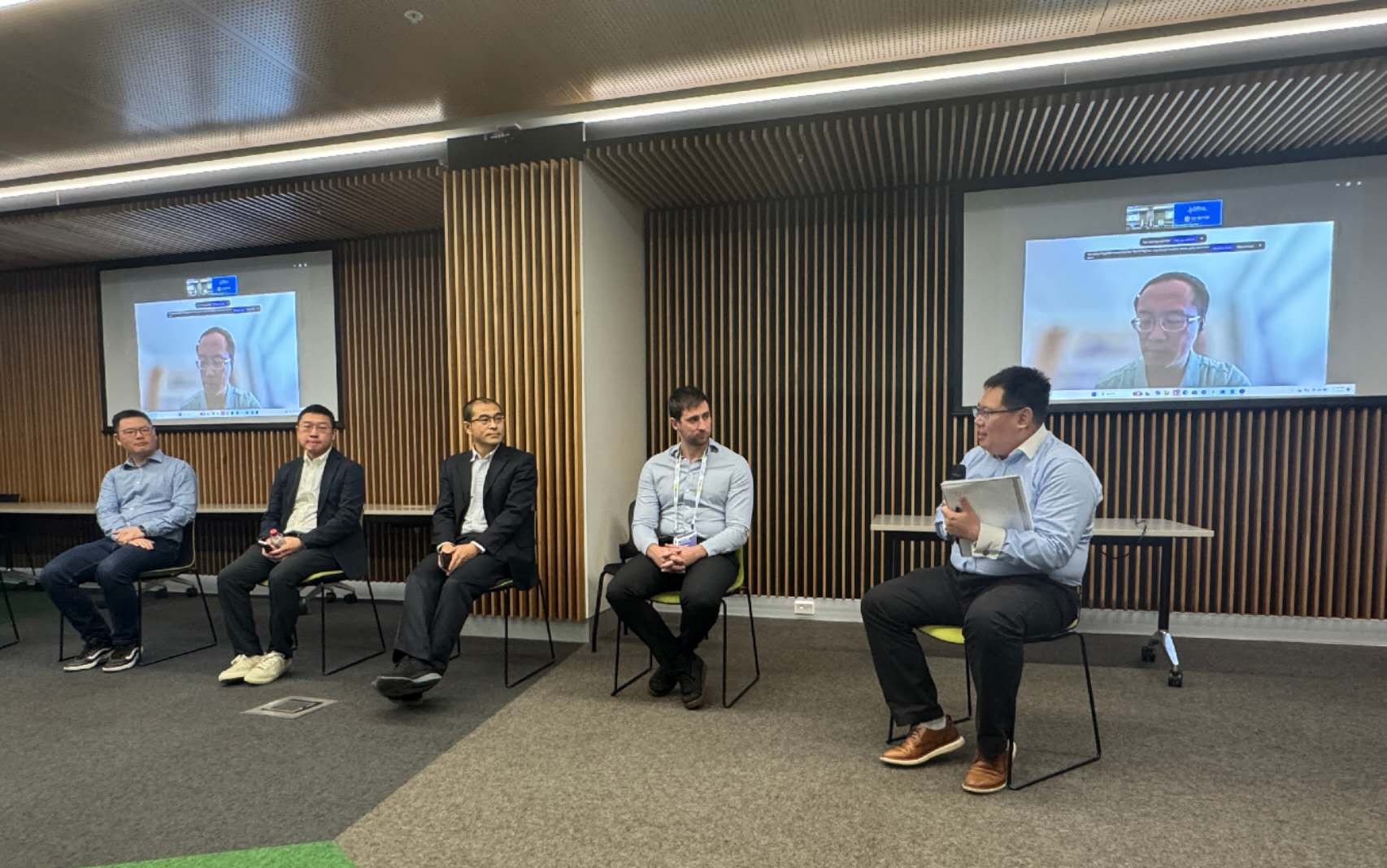
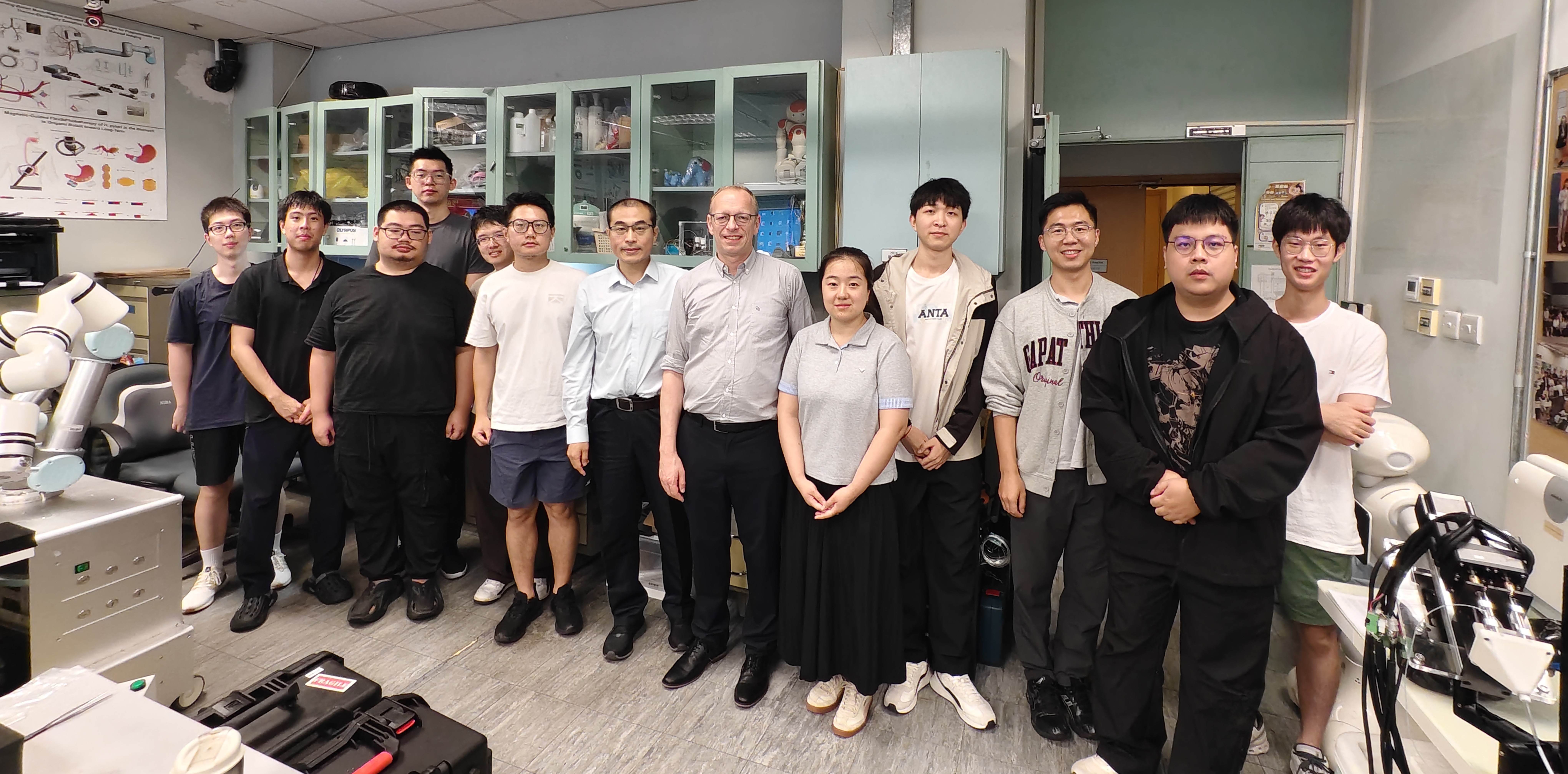
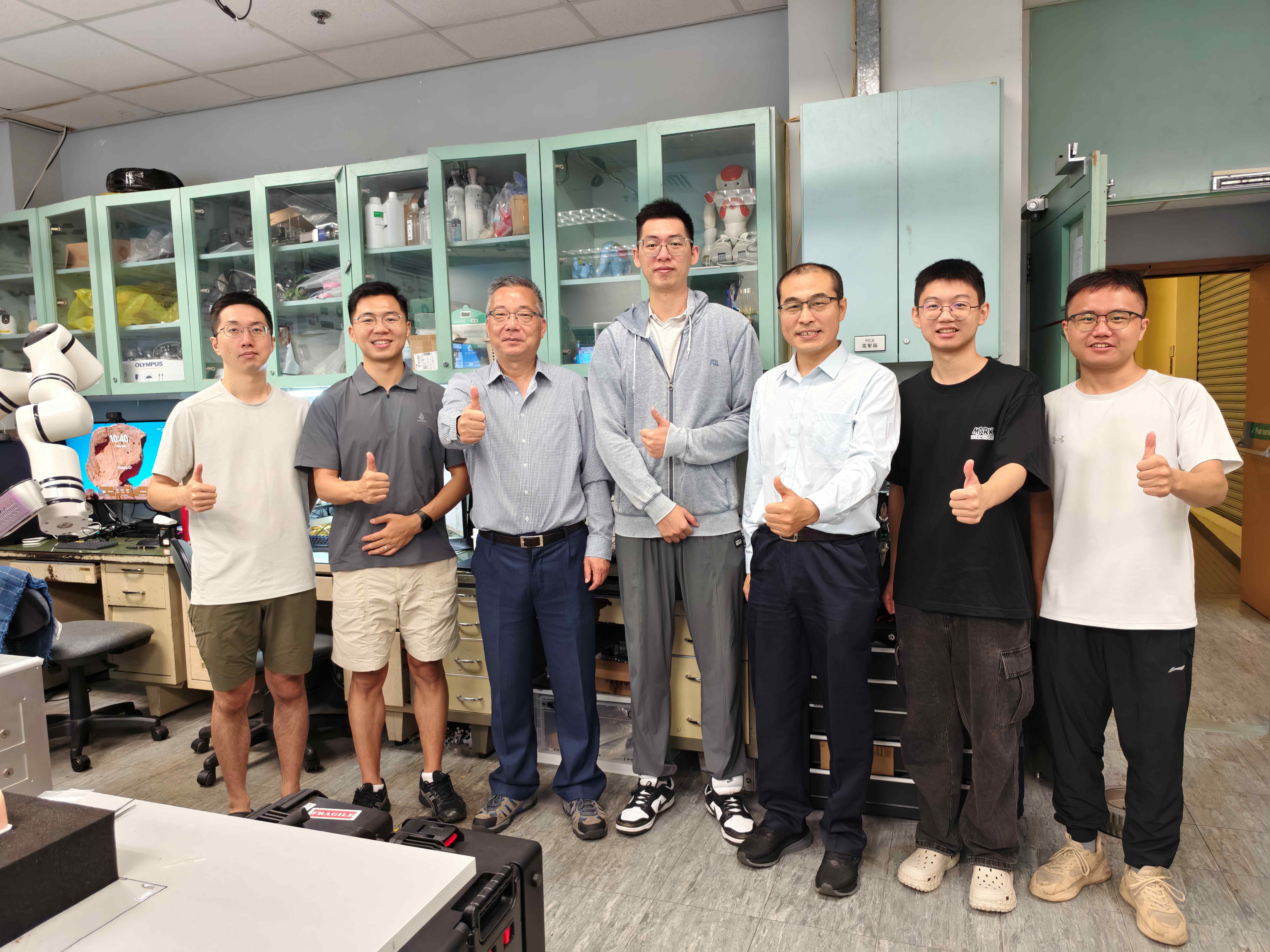
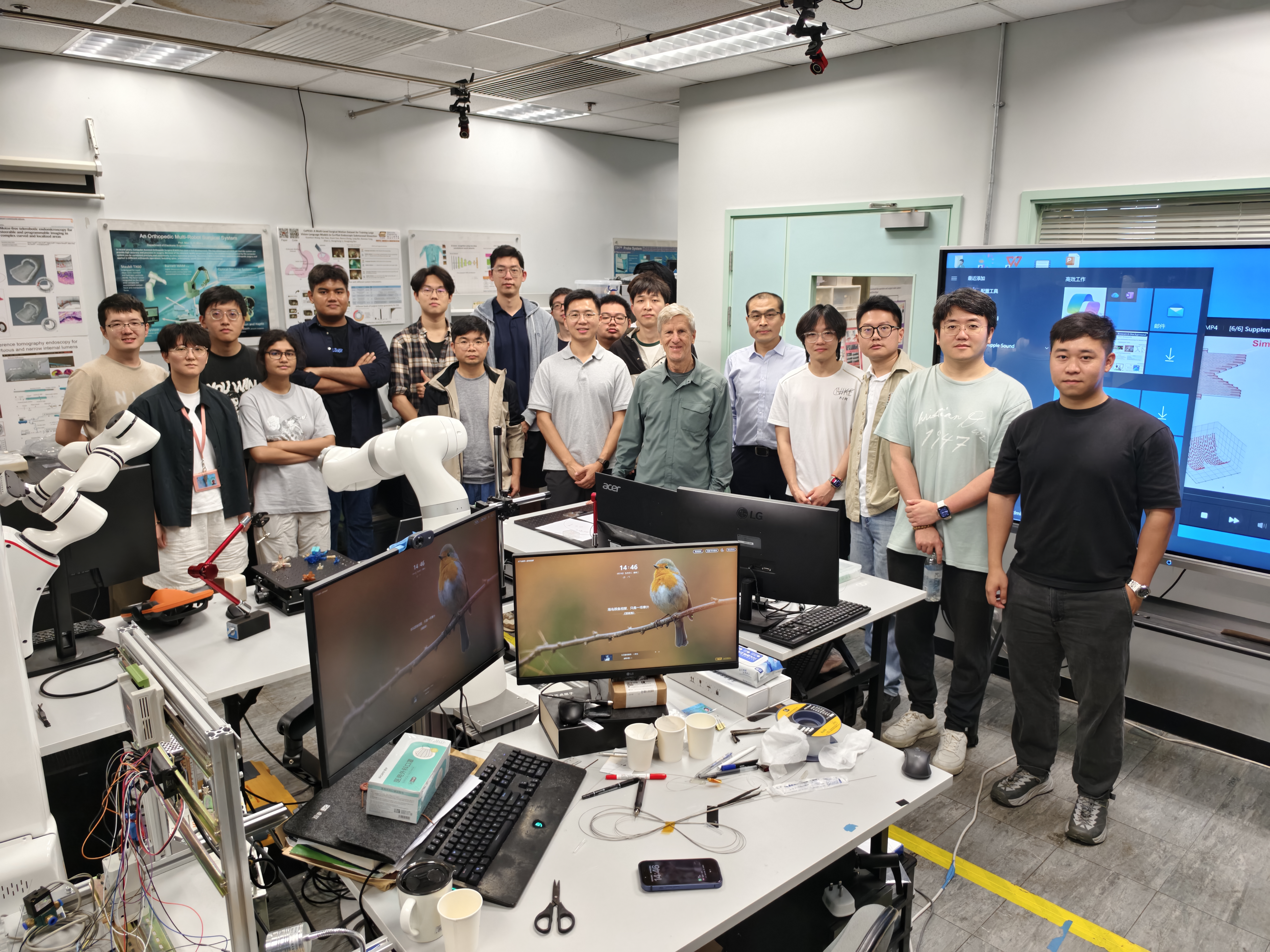
During his visit to CUHK, Prof. Cutkosky also visited Ren lab and exchanged views with faculty members, researchers, and students on medical robotics, surgical navigation, soft robotic devices, intelligent sensing, image-guided intervention, and translational biomedical engineering. Prof. Ren’s lab focuses on the development of advanced robotic and intelligent systems for healthcare applications, with research interests spanning medical robotics, medical imaging, navigation, human–robot interaction, and AI-assisted medical technologies. The lab visit provided an opportunity for in-depth academic discussion and further strengthened the research connection between CUHK and Stanford University.

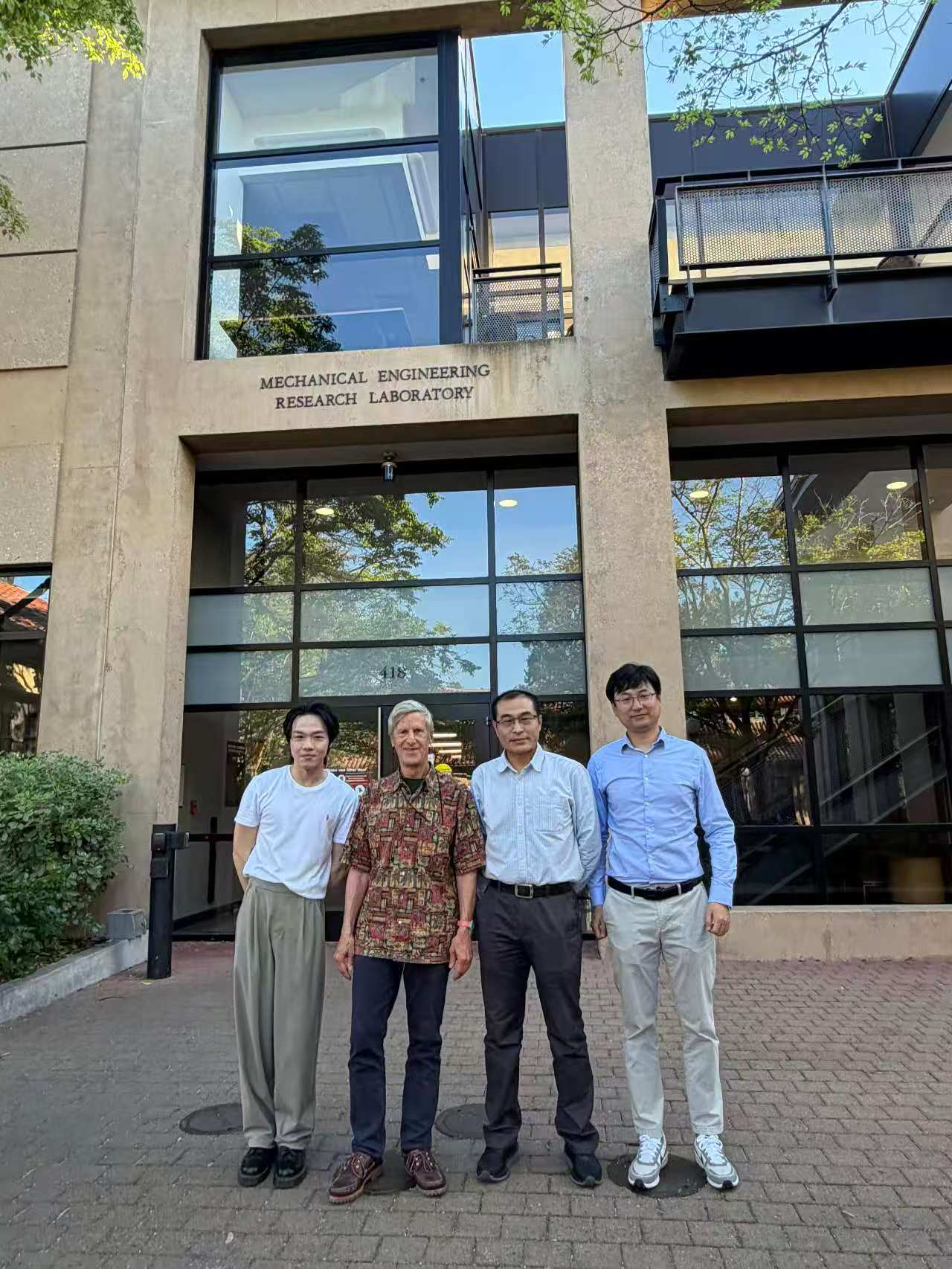
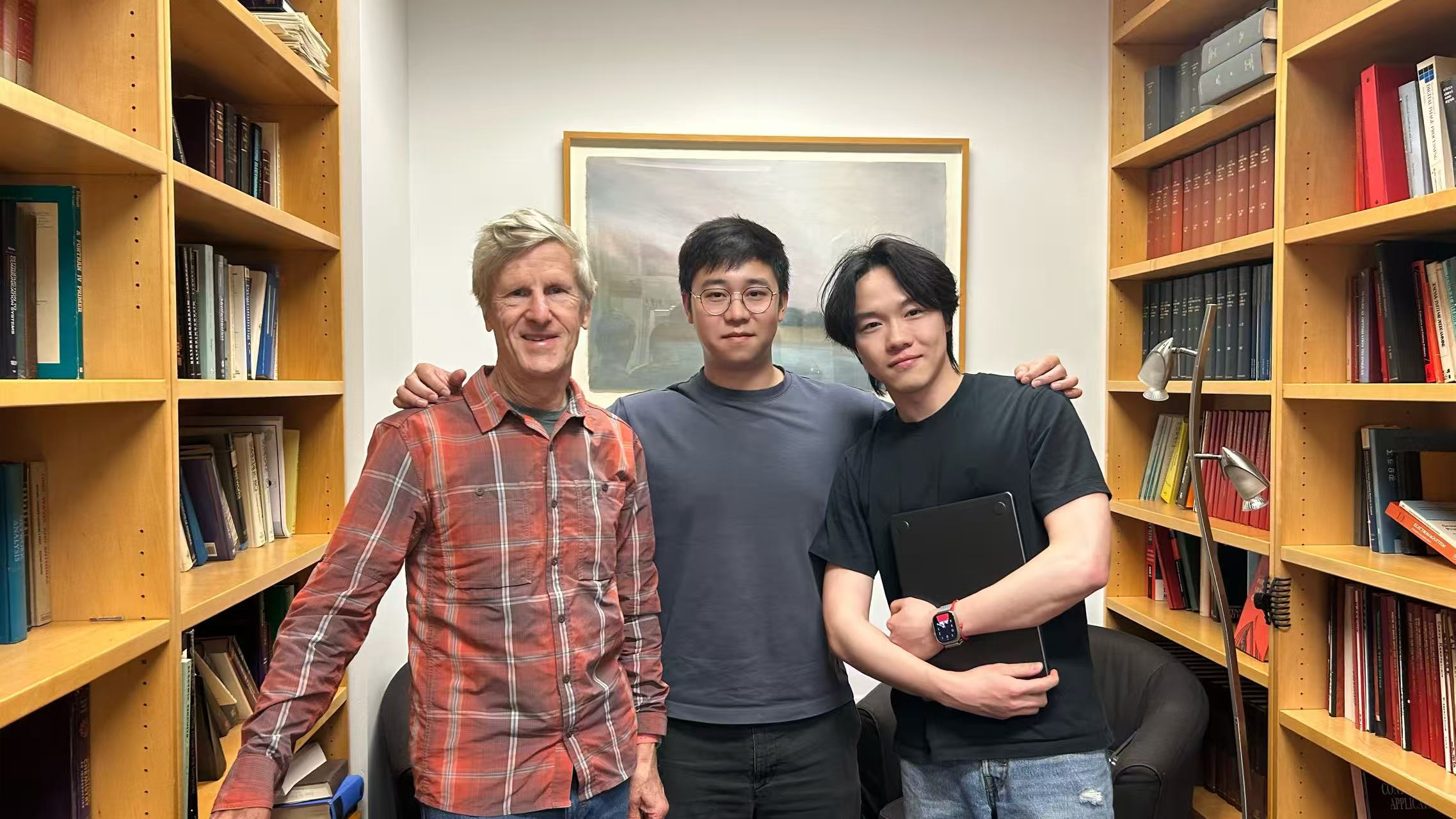
The lecture and lab visit also reflect the continuing academic exchange between Prof. Ren’s lab at CUHK and Prof. Cutkosky’s research group at Stanford University. During the GTC conference period, Prof. Ren visited Stanford University for a research exchange and met with Prof. Cutkosky’s team, lab alumni, and clinical collaborators. Participants in the exchange included Teo, a former intern of Prof. Ren’s lab and current Ph.D. student at Stanford University; Catherine, a collaborating clinician affiliated with Prince of Wales Hospital and Stanford University; and Dr. Qiu, an alumnus of Prof. Ren’s lab and current researcher at Stanford University.

The exchange is supported by the Stanford University–CUHK bilateral joint collaboration and exchange project. Under this project, Prof. Lai and Mr. Tao Zhang from Prof. Ren’s lab also conducted academic visits at Stanford University. These mutual visits have promoted closer collaboration between the two institutions and created further opportunities for joint research in medical robotics, biomimetic devices, intelligent surgical systems, and clinically oriented engineering research.

Prof. Cutkosky is internationally recognized for his contributions to robotic manipulation, tactile sensing, and biologically inspired robot design. His Distinguished Lecture at CUHK provided an important platform for sharing research insights and promoting future collaboration between CUHK and Stanford University in next-generation medical robotic technologies.

About Prof. Mark R. Cutkosky

Prof. Mark R. Cutkosky is the Fletcher Jones Professor in the Department of Mechanical Engineering at Stanford University. His research spans robotic manipulation, tactile sensing, biologically inspired robotics, design and manufacturing, and medical-device innovation. He is widely recognized for his contributions to bioinspired robotic systems, including gecko-inspired adhesives, climbing and perching robots, soft sensing technologies, and robotic devices for healthcare applications. His work has had broad impact across robotics, human–robot interaction, biomimetic design, and translational medical engineering.

Prof. Ren Delivers an Invited Talk at the HKUST MAE Seminar

June 10, 2026 – Prof. Hongliang Ren of CUHK is invited to deliver an invited talk at the MAE Seminar hosted by the Department of Mechanical and Aerospace Engineering, The Hong Kong University of Science and Technology (HKUST). The talk is entitled “Tethered & Tetherless Reconfigurations at Tissue-Continuum-Origami Interfaces in Vivo Soft Flexible Robotics.”

In this seminar, Prof. Ren shares recent advances in dexterous robotic motion generation and perception for intelligent image-guided procedures. His talk highlights the development of tethered and tetherless reconfigurable robots inspired by origami principles, aiming to address challenges in motion generation, flexibility, and adaptability in minimally invasive surgeries.

Prof. Ren introduces robotic systems that leverage variable-stiffness mechanisms and embedded context awareness to achieve dexterous manipulation within confined anatomical spaces. By eliminating tether constraints and utilizing reconfigurable origami-inspired structures, these systems provide new possibilities for safer, more adaptive, and more intelligent surgical interventions.

This seminar reflects Prof. Ren’s continuous efforts in medical robotics, soft continuum robots, intelligent control, multisensory perception, and next-generation minimally invasive robotic procedures.

Prof. Ren Invited to Speak at Intelligent Medicine and Brain‑Computer Interface Conference

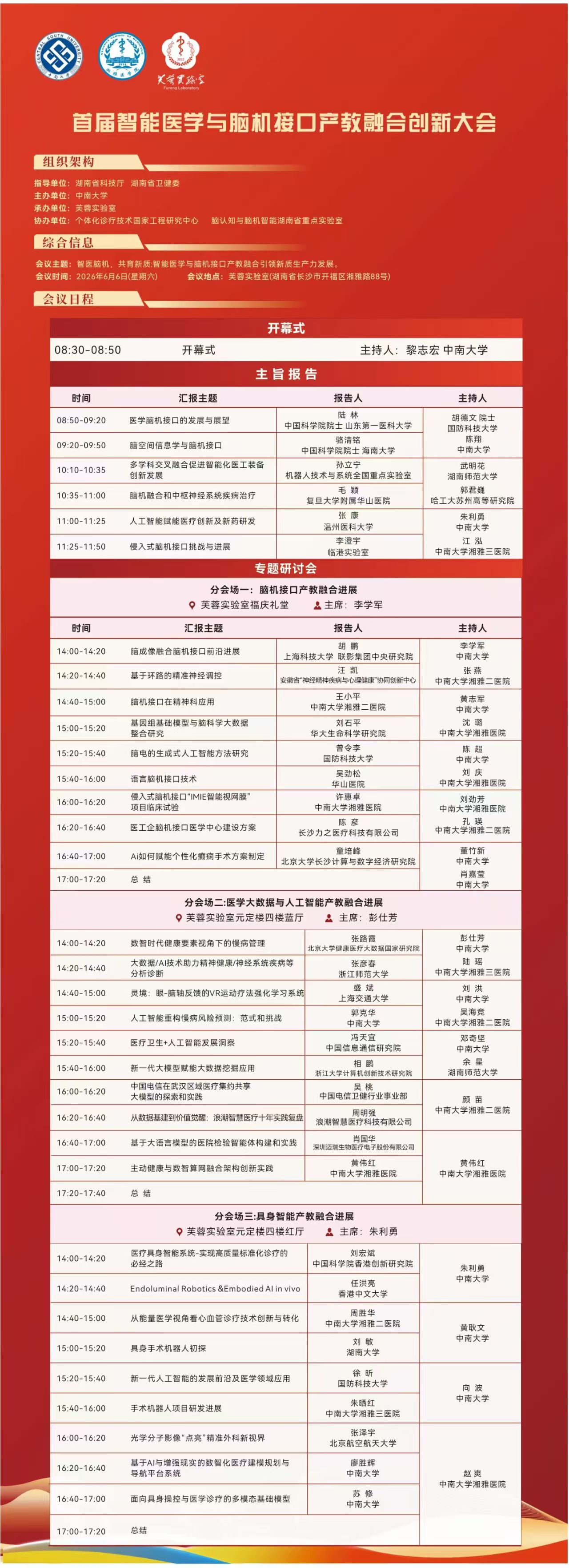
June 6, 2026 – Prof. Hongliang Ren of CUHK was invited to speak at the Intelligent Medicine and Brain‑Computer Interface Industry‑Education Integration Innovation Conference held at Furong Laboratory, Changsha.

The conference, themed “Intelligent Medicine and Brain‑Computer Interface: Industry‑Education Integration Leading New Quality Productivity,” was guided by the Hunan Provincial Department of Science and Technology and hosted by Central South University.

Prof. Ren’s Presentation

Prof. Ren spoke in the Embodied AI Industry‑Education Integration session, presenting on “Endoluminal Robotics & Embodied AI in vivo.” He discussed recent advances in continuum robotics, motion perception, and intelligent image‑guided minimally invasive procedures, emphasizing how telerobotic systems with variable stiffness can assist surgeons in dexterous manipulations.

Conference Highlights

The event featured keynote addresses by academicians Lin Lu and Qingming Luo, followed by parallel sessions on brain‑computer interfaces, medical big data, and embodied AI. Prof. Ren’s talk was well received by researchers and clinicians, sparking discussion on clinical translation of robotic technologies.

REN Lab Showcases Robotics Research at ICRA 2026 in Vienna

REN Lab is excited to join #ICRA2026 in Vienna! 🤖✨

This year, our team will present a range of recent work across medical robotics, embodied intelligence, bioinspired design, and robot-assisted surgery. We look forward to sharing our research progress, exchanging ideas with the international robotics community, and connecting with colleagues and collaborators throughout the conference.

Prof. Hongliang Ren’s talk:

WORKSHOP#1 – Medical Robot Workshop

 (https://sites.google.com/view/icra26-workshop-medical-robot)

🗓 5 June, Friday, 9:20–9:50, Hall C

Talk: Endoluminal Robotics & Embodied AI in vivo

WROKSHOP#2 – Origami Robot Workshop

(https://sites.google.com/view/origamirob)

🗓 5 June, Friday, 10:10-10:30, Hall C

Talk: Origami and Kirigami Mechanisms in Medical Robotics 

——————————————————————————————————————–

📌 Paper Presentation 1

NeuroVLA: Surgical Scenario-Aware Learning of Debulking Skills in Endoscopic Robotic Neurosurgery Via Vision-Language-Action Model

Authors: Zhiwei Fang, Chi Kit Ng, Huxin Gao, Tao Zhang, Zhiqing Tang, Tat-Ming Chan, Hongbin Liu, Renzhi Wang, Hongliang Ren

🗓 2 June, Tuesday, 15:00–16:30

📍 Hall C, Interactive Session (Thl2l.287)

📌 Paper Presentation 2

GeoLanG: Geometry-Aware Language-Guided Grasping with Unified RGB-D Multimodal Learning

Authors: Rui Tang, Guankun Wang, Long Bai, Huxin Gao, Jiewen Lai, Chi Kit Ng, Jiazheng Wang, Fan Zhang, Hongliang Ren

🗓 3 June, Wednesday, 9:00–10:30

📍 Hall C, Interactive Session (Wel1l.271)

📄 Paper: https://arxiv.org/abs/2602.04231

🖥️ GitHub: https://github.com/Tomry1114/GeoLanG/tree/main

📌 Paper Presentation 3

TMR-VLA: Vision-Language-Action Model for Magnetic Motion Control of Tri-Leg Silicone-Based Soft Robot

Authors: Ruijie Tang, Chi Kit Ng, Kaixuan Wu, Long Bai, Guankun Wang, Yiming Huang, Yupeng Wang, Hongliang Ren

🗓 3 June, Wednesday, 9:00–10:30

📍 Hall C, Interactive Session (Wel1l.311)

📄 Paper: https://arxiv.org/html/2603.00420v1

📌 Paper Presentation 4

SurgVidLM: Towards Multi-Grained Video Understanding with Large Language Model in Robot-Assisted Surgery

Authors: Guankun Wang, Junyi Wang, Wenjin Mo, Long Bai, Kun Yuan, Ming Hu, Jinlin Wu, Junjun He, Yiming Huang, Nicolas Padoy, Zhen Lei, Hongbin Liu, Nassir Navab, Hongliang Ren

🗓 3 June, Wednesday, 15:00–16:30

📍 Hall C, Interactive Session (Wel12l.138)

📄 Paper: https://arxiv.org/abs/2506.17873

🖥️ GitHub: https://github.com/gkw0010/SurgVidLM

📌 Paper Presentation 5

IEEE Robotics & Automation Magazine: Transendoscopic Telerobotic System: Heterogeneous Flexible Manipulators for Bimanual Endoscopic Submucosal Dissection

Authors: Huxin Gao, Xiaoxiao Yang, Tao Zhang, Xiao Xiao, Changsheng Li, Max Q.-H. Meng, Xiuli Zuo, Yanqing Li, Hongliang Ren

🗓 3 June, Wednesday, 15:00–16:30

📍 Hall C, Interactive Session (Wel12l.332)

📄 Paper: https://ieeexplore.ieee.org/abstract/document/11304144/

📌 Paper Presentation 6

EndoDDC: Learning Sparse to Dense Reconstruction for Endoscopic Robotic Navigation Via Diffusion Depth Completion

Authors: Yinheng Lin, Yiming Huang, Beilei Cui, Long Bai, Huxin Gao, Hongliang Ren, Jiewen Lai

🗓 4 June, Thursday, 9:00–10:30 & 5 June Full day workshop @Embracing Intelligent Robotic Assistants for Robot-assisted Surgery in the Era of Embodied Intelligence: Trends, Opportunities, and Challenges

📍 Hall C, Interactive Session (Thl1l.111)

📄 Paper: https://arxiv.org/abs/2602.21893

🎥 Code: https://github.com/Yinheng-Lin/EndoDDC

📌 Paper Presentation 7

Bioinspired Kirigami Capsule Robot for Minimally Invasive Gastrointestinal Biopsy

Authors: Ruizhou Zhao, Yichen Chu, Shuwei Zhao, Wenchao Yue, Hongliang Ren, Raymond Shing-Yan Tang

🗓 4 June, Thursday, 9:00–10:30 & 5 June Full day workshop @Embracing Intelligent Robotic Assistants for Robot-assisted Surgery in the Era of Embodied Intelligence: Trends, Opportunities, and Challenges

📍 Hall C, Interactive Session (Thl1l.204)

📄 Paper: https://arxiv.org/abs/2602.06207

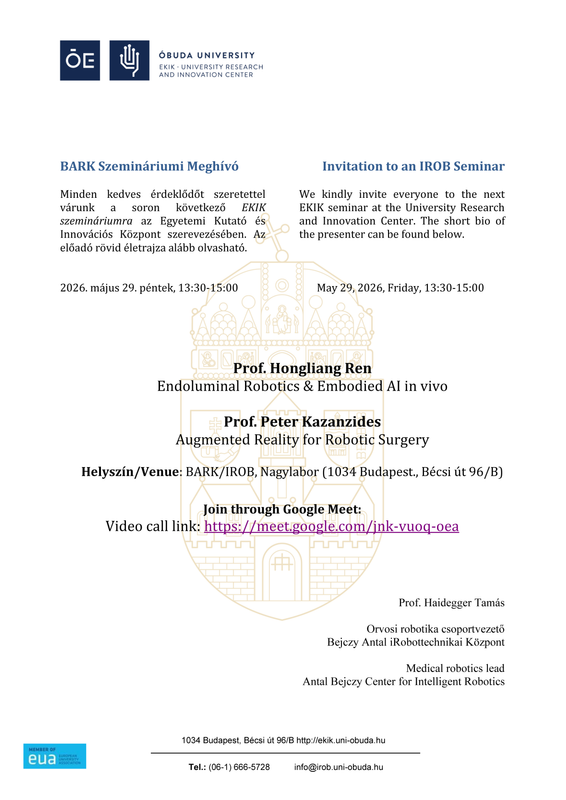
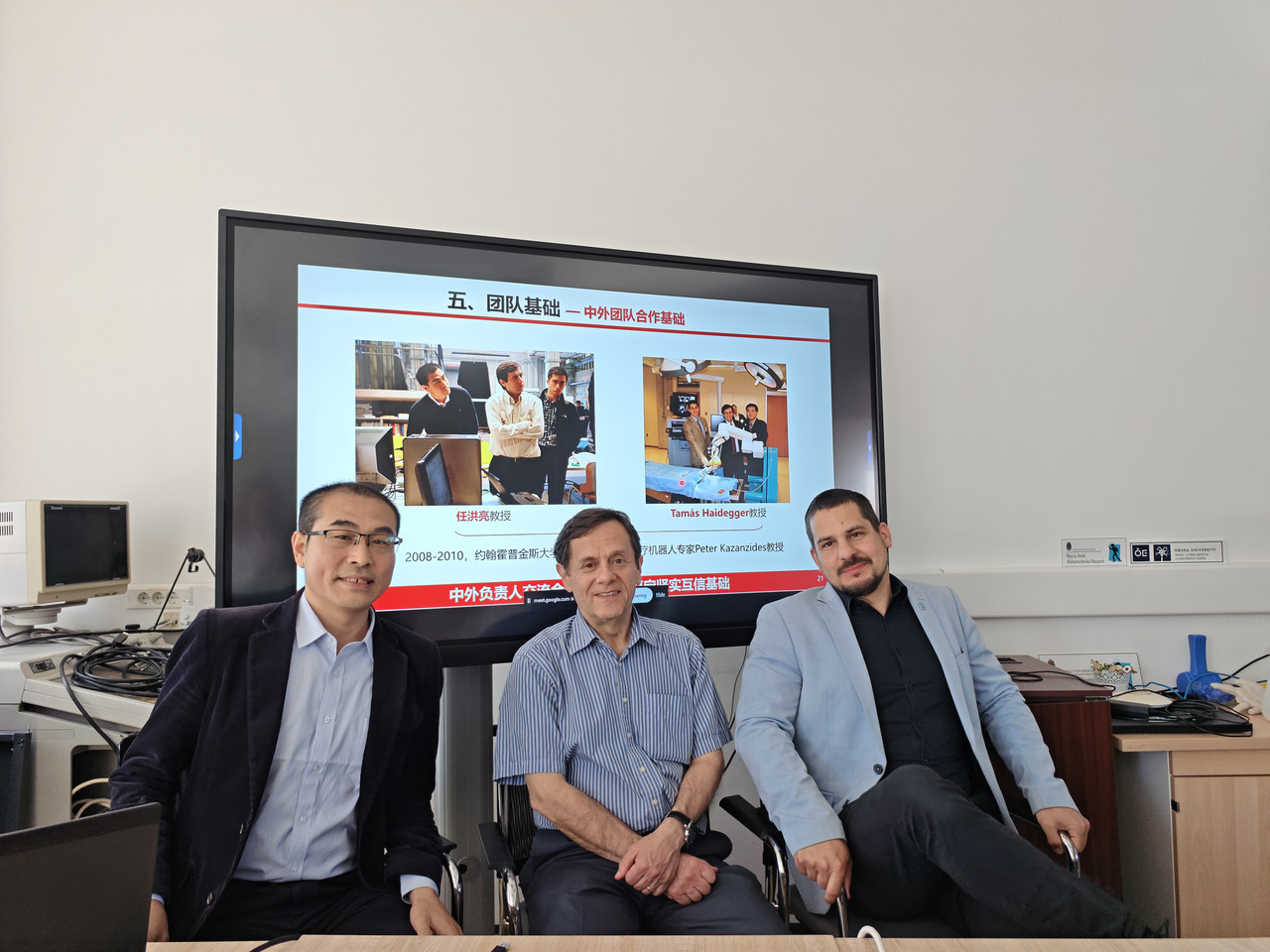
Prof. Ren and Prof. Kazanzides Deliver Joint Seminar at Óbuda University, Budapest

May 29, 2026, Óbudai University – Prof. Hongliang Ren of The Chinese University of Hong Kong (CUHK) and Prof. Peter Kazanzides of Johns Hopkins University were invited to present a joint seminar at the Antal Bejczy Center for Intelligent Robotics (IROB), University Research and Innovation Center (EKIK), Óbuda University, Budapest, Hungary.

The seminar was held on 29 May 2026 at the BARK/IROB Nagylabor, with both in‑person and online attendance via Google Meet. The event was hosted by Prof. Tamás Haidegger, Medical Robotics Lead at IROB.

This bilateral academic exchange was supported by the Ministry of Science and Technology of China (MOST) and Hungarian bilateral research projects, fostering international collaboration in medical robotics.

Seminar Talks

Prof. Hongliang Ren presented a talk titled “Endoluminal Robotics & Embodied AI in vivo,” highlighting recent advances in continuum robotics, motion perception, and intelligent image‑guided minimally invasive procedures. He discussed how procedure‑specific telerobotic systems with variable stiffness and context awareness can assist surgeons in performing dexterous manipulations.

Prof. Peter Kazanzides presented a talk titled “Augmented Reality for Robotic Surgery,” sharing his extensive experience from the development of the da Vinci Research Kit (dVRK) and clinical systems.

Speaker Bios

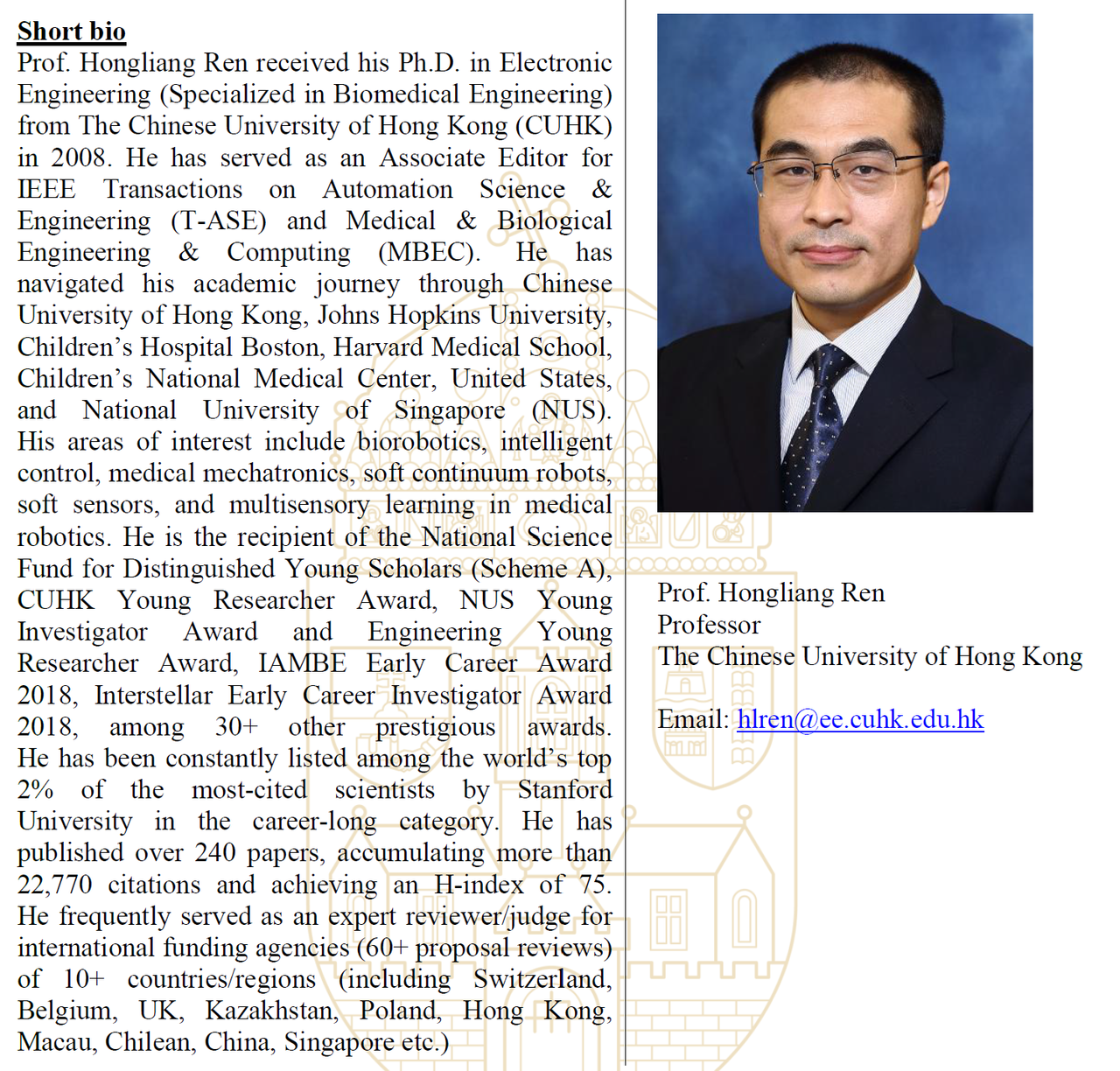
Prof. Hongliang Ren is a Professor at The Chinese University of Hong Kong. He received his Ph.D. from CUHK in 2008 and has held positions at Johns Hopkins University, Harvard Medical School, and National University of Singapore. He is a recipient of the National Science Fund for Distinguished Young Scholars (Scheme A), the CUHK Young Researcher Award, and over 30 other prestigious awards. He has published over 240 papers with more than 22,000 citations and an H‑index of 75, and has been consistently listed among the world’s top 2% most‑cited scientists.

Prof. Peter Kazanzides is a Research Professor of Computer Science at Johns Hopkins University. He received his Ph.D. in Electrical Engineering from Brown University in 1988. He co‑founded Integrated Surgical Systems, which commercialized the Robodoc System for hip and knee replacement surgeries performed on over 20,000 patients. He later joined JHU and contributed to the development of the da Vinci Research Kit (dVRK).

Audience and Discussion

The seminar attracted researchers and students from IROB and partner institutions. Both talks were followed by a joint Q&A session, where attendees discussed technical challenges in continuum robotics, augmented reality guidance, and clinical translation of robotic systems. The event concluded with informal discussions over refreshments, reinforcing the bilateral collaboration between Chinese and Hungarian research groups.

NVIDIA Healthcare Team Visits CUHK for Collaborative Discussions on Medical AI and Surgical Robotics

May 17, 2026 – Prof. Ren Hongliang’s research group participated in an exchange with the NVIDIA Healthcare and Life Sciences team at The Chinese University of Hong Kong (CUHK). The visit focused on NVIDIA’s technology roadmap in healthcare and potential collaborations in medical robotics, AI‑driven imaging, and simulation.

The NVIDIA delegation included:

  • P Dogra – Developer Ecosystems
  • A Shapira – Developer Relationships
  • Y Ji – Developer Relationships 

The meeting covered NVIDIA’s healthcare strategy and enabling technologies, including:

  • Hardware acceleration for medical cloud and edge computing (H200, RTX 4000 series GPUs)
  • NVIDIA Cosmos (world foundation model for healthcare) for synthetic surgical data generation and robot policy training
  • Isaac Sim platform for rigid‑body physics simulation, sensor simulation, and full surgical procedure rehearsal

The CUHK and MRC teams shared their ongoing work in continuum robotics, endoscopic navigation, and autonomous laparoscopic control systems.

About the NVIDIA Healthcare and Life Sciences Team
The NVIDIA Healthcare and Life Sciences team applies AI, accelerated computing, and domain-specific software platforms to help advance innovation across healthcare and life sciences. Through platforms and tools such as NVIDIA Clara, BioNeMo, Parabricks, MONAI, and healthcare-focused generative AI microservices, NVIDIA supports workflows spanning drug discovery, medical imaging, genomics, healthcare robotics, MedTech, and digital health. Working with healthcare providers, biopharma companies, researchers, and ecosystem partners, the team helps organizations build, deploy, and scale AI-powered solutions that accelerate scientific discovery, improve operational efficiency, and support the development of next-generation healthcare technologies.

🎤Keynote at CCDC Forum 2026

NANJING, May 16, 2026 – Prof. Hongliang Ren of The Chinese University of Hong Kong attended the 38th Chinese Control and Decision Conference (CCDC 2026), which opened at the Nanjing Fengda International Hotel and featured a forum titled “Knowledge and Data-Driven Intelligent Diagnosis and Treatment“. The forum gathered leading experts in control theory, biomedical engineering, and artificial intelligence to explore how modern intelligent systems are reshaping the future of healthcare.

Chaired by Prof. Guanglin Li of the Shenzhen Institutes of Advanced Technology, Chinese Academy of Sciences, the forum featured invited speakers (Profs. YT Zhang, Max QH Meng, L Meng, HL. Ren, HR. Li & Y Chen) sharing perspectives on how knowledge-driven models, data-driven methods, and intelligent control technologies can support the next generation of diagnosis, treatment, and clinical decision-making.

The forum’s central theme revolved around the integration of “knowledge-driven” and “data-driven” paradigms for intelligent diagnosis and treatment. Panelists deliberated on how cutting-edge technologies—including advanced AI theories, modern signal processing, and intelligent decision-making and feedback mechanisms—can be applied across the entire clinical workflow, ranging from model-based disease dynamic prediction and intelligent drug dosage regulation to personalized rehabilitation robots and closed-loop neuromodulation systems. This multi-disciplinary exchange aims to drive the transformation of diagnostic and therapeutic models from passive and static to active, dynamic, and closed-loop interventions.

Connecting Robotics Innovation with Intelligent Healthcare

Prof. Ren leads pioneering work in intelligent surgical robotics, soft continuum robots, and medical mechatronics, with a strong focus on translational biomedical engineering. His recent project, “Embodied Intelligence Systems for Fine Perception and Dexterous Manipulation in Flexible Endoscopy,” funded as a key national project, aims to develop perceptive, compliant, and intelligent surgical systems.

Following the talk, Prof. Ren received a Certificate of Appreciation from CCDC 2026 and was pictured with Forum Chair Prof. Guanglin Li.

Prof. Ren’s team’s developing miniature flexible robots capable of navigating narrow, tortuous lumen branches to perform multi-modal micro-biopsy and immune-sensing in the vicinity of small confined spaces.

The forum concluded with a forward-looking discussion on how the integration of AI, control theory, and robotics can address major clinical challenges, catalyze original technological breakthroughs, and provide strategic support for the development of intelligent healthcare system, bridging foundational robotics and mechatronics with clinical needs to create next-generation smart surgical systems.

Prof. Guangzhong Yang Visits REN Lab

On Tuesday, 12 May 2026, Prof. Guangzhong Yang visited Prof. Ren Hongliang’s laboratory.

During the visit, lab members presented ongoing research through a series of demonstrations. Dr. Yang Yang, Dr. Gao Huxin, Dr. Liu Tangyou, Botao, Haoxuan, and other members showcased recent work including:

  • Sub‑mm continuum robots
  • Endoscopy systems
  • Sensing technologies for medical applications

The visit provided an opportunity for technical exchange and discussion on future directions in medical robotics and minimally invasive devices.

Short bio of Prof. Guangzhong Yang

Prof. Guangzhong Yang received his Bachelor’s degree from Shanghai Jiao Tong University and his Ph.D. from Imperial College of Science, Technology and Medicine. He was a Principal Scientist at Royal Brompton Hospital London and later served as Lecturer, Reader, and Full Professor at Imperial College London, where he founded and directed the Hamlyn Centre for Robotic Surgery. He is currently Chair Professor and Founding Dean of the Institute of Medical Robotics at Shanghai Jiao Tong University. His research focuses on medical imaging, sensing, and robotics. He is a Fellow of the Royal Academy of Engineering, IEEE, IET, AIMBE, IAMBE, MICCAI, and CGI, a recipient of the Royal Society Research Merit Award, the Founding Editor of Science Robotics, and was awarded a CBE in the Queen’s 2017 New Year Honours for contributions to biomedical engineering.

Academic visit: CUHK and Xiangya School of Medicine, CSU

On 10 May 2026, Prof. Ren Hongliang and his team from the Department of Electronic Engineering, The Chinese University of Hong Kong (CUHK), visited Xiangya School of Medicine, Central South University (CSU) in Changsha.


The meeting was hosted by Prof. Zhu Liyong, Xiangya School of Medicine. Activities included:

  • A tour of the Xiangya History Museum
  • Introductory presentations from both sides on their recent work

Prof. Ren’s team: research on continuum robotics, medical robotics, and minimally invasive interventions
The Xiangya team: clinical perspectives from cardiology, GI surgery, nutrition, dermatology, gynecology, laboratory medicine, and mechanical engineering
Discussions on potential collaboration, including joint research platforms, clinical validation of robotic systems, and exchange programmes for postdocs and students.

About Xiangya School of Medicine

Xiangya School of Medicine, Central South University, traces its origins to Xiangya Medical College, which was founded in 1914. As one of China’s earliest modern medical education institutions and the country’s first Chinese-foreign cooperatively run medical school, Xiangya has played a major role in the development of Western medical education in China and once earned the reputation of “South Xiangya and North Peking Union.” Now part of Central South University in Changsha, Hunan, it comprises schools covering basic medicine, public health, nursing, stomatology, pharmacy, and life sciences, and is supported by major affiliated hospitals including Xiangya Hospital, the Second Xiangya Hospital, the Third Xiangya Hospital, and Xiangya Stomatological Hospital. The school offers comprehensive undergraduate, master’s, doctoral, and professional medical training programs, and is recognized for its strengths in clinical medicine, medical research, and healthcare delivery.

Prof. Hongliang Ren Delivers Invited Talk at YAC2026 High-Level Talent Forum III

Changsha, China, May 9, 2026 — Professor Hongliang Ren from the Department of Electronic Engineering, The Chinese University of Hong Kong, was invited to speak at High-Level Talent Forum III during the 41st Youth Academic Annual Conference of Chinese Association of Automation (YAC2026).

At High-Level Talent Forum III, Professor Ren delivered an invited presentation titled “Flexible Robots and Embodied Intelligence for Minimally Invasive Intraluminal Procedures.” His talk focused on recent advances in dexterous robotic motion generation and motion perception for image-guided minimally invasive procedures. He discussed how flexible robotic systems, multi-sensory perception, and embodied intelligence can support more precise, adaptable, and repeatable robotic intervention in confined anatomical environments.

Participants at YAC2026. From left to right: Prof. Guoniu Zhu, Fudan University; Prof. Shumei Yu, Soochow University; Prof. Qin Wan, Changsha University of Science and Technology, moderator of the session; Prof. Hongliang Ren, The Chinese University of Hong Kong; Prof. Ning Tan, Sun Yat-sen University; Prof. Quanquan Liu, Shenzhen MSU-BIT University.

Professor Ren’s research spans medical embodied intelligence, biomedical and surgical robotics, intelligent control, medical mechatronics, soft continuum robots, soft sensors, and multi-sensory learning for medical robotics.

Lab members and alumni at YAC2026. From left to right: Prof. Yunkai Lü, East China University of Science and Technology; Prof. Yanjie Chen, National University of Defense Technology; Prof. Ning Tan, Sun Yat-sen University; Prof. Shumei Yu, Soochow University; Prof. Hongliang Ren, The Chinese University of Hong Kong; Prof. Quanquan Liu, Shenzhen MSU-BIT University; Prof. Guoniu Zhu, Fudan University; Dr. Min Wang, lab member.

About YAC

YAC is a national annual academic conference organized by the Chinese Association of Automation and its Youth Working Committee. The 2026 conference was held in Changsha from May 8 to 10, 2026, and hosted by Hunan University. It brought together researchers, young scholars, graduate students, and professionals from automation, artificial intelligence, robotics, intelligent systems, and related disciplines. The conference provided a platform for presenting recent theoretical advances, emerging technologies, and interdisciplinary research outcomes.