


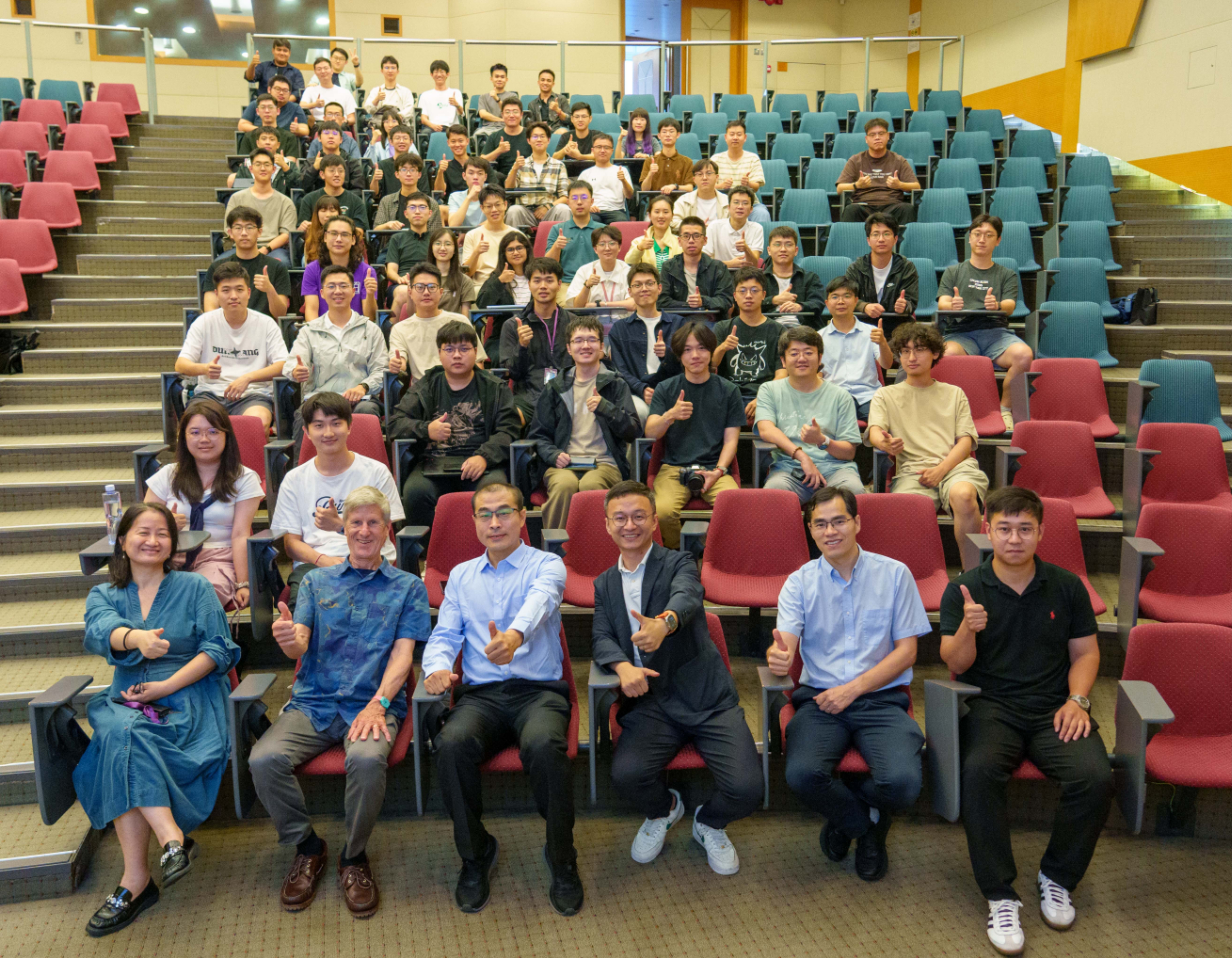
June 18, 2026 – Prof. Mark R. Cutkosky, Fletcher Jones Professor in the Department of Mechanical Engineering at Stanford University, delivered a Faculty of Engineering Distinguished Lecture at The Chinese University of Hong Kong (CUHK), titled “Biomimetic Robotics for Medical Devices.” The lecture was held at TY Wong Hall, Ho Sin Hang Engineering Building, and was co-organized by the Department of Electronic Engineering.
Hosted by Prof. Hongliang Ren of CUHK, the lecture brought together faculty members, researchers, students, and collaborators with interests in medical robotics, soft robotics, bioinspired design, intelligent sensing, and biomedical engineering. In his talk, Prof. Cutkosky discussed how biological principles can inspire the design of robotic medical devices with tissue-like mechanical properties. He emphasized the importance of reducing mechanical mismatch between medical devices and biological tissues, particularly in applications involving soft contact, safe interaction, and minimally invasive procedures.

Prof. Cutkosky introduced a range of medical robotic devices and sensors that employ biomimetic and bioinspired design strategies. Examples included MRI-compatible tools for biopsy and diagnostic palpation, implantable cardiac devices, and soft sensing systems. He also discussed key engineering challenges in developing materials and mechanisms that can reproduce the nonlinear, large-strain, and adaptive behaviors observed in biological tissues.
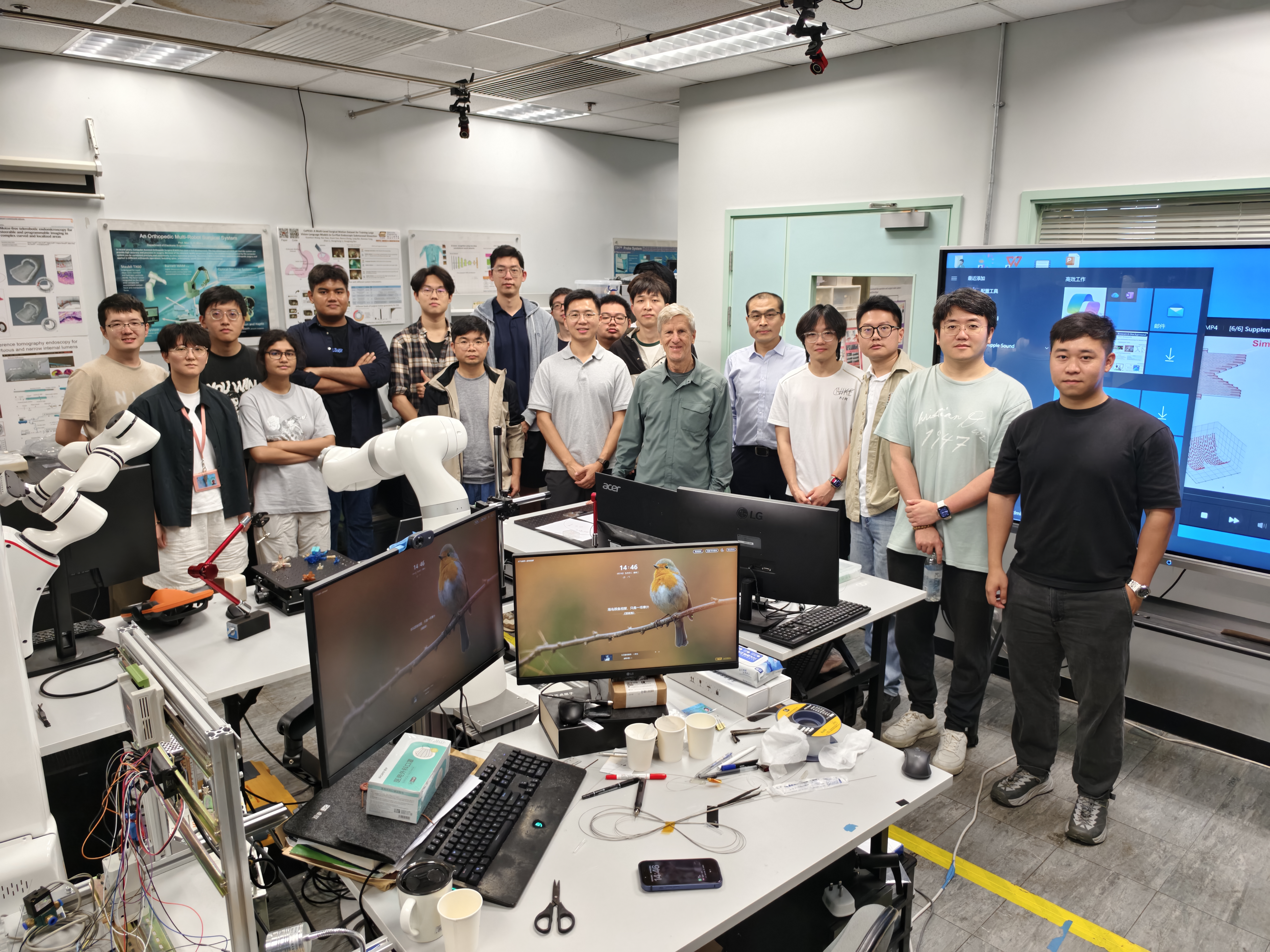
During his visit to CUHK, Prof. Cutkosky also visited Ren lab and exchanged views with faculty members, researchers, and students on medical robotics, surgical navigation, soft robotic devices, intelligent sensing, image-guided intervention, and translational biomedical engineering. Prof. Ren’s lab focuses on the development of advanced robotic and intelligent systems for healthcare applications, with research interests spanning medical robotics, medical imaging, navigation, human–robot interaction, and AI-assisted medical technologies. The lab visit provided an opportunity for in-depth academic discussion and further strengthened the research connection between CUHK and Stanford University.
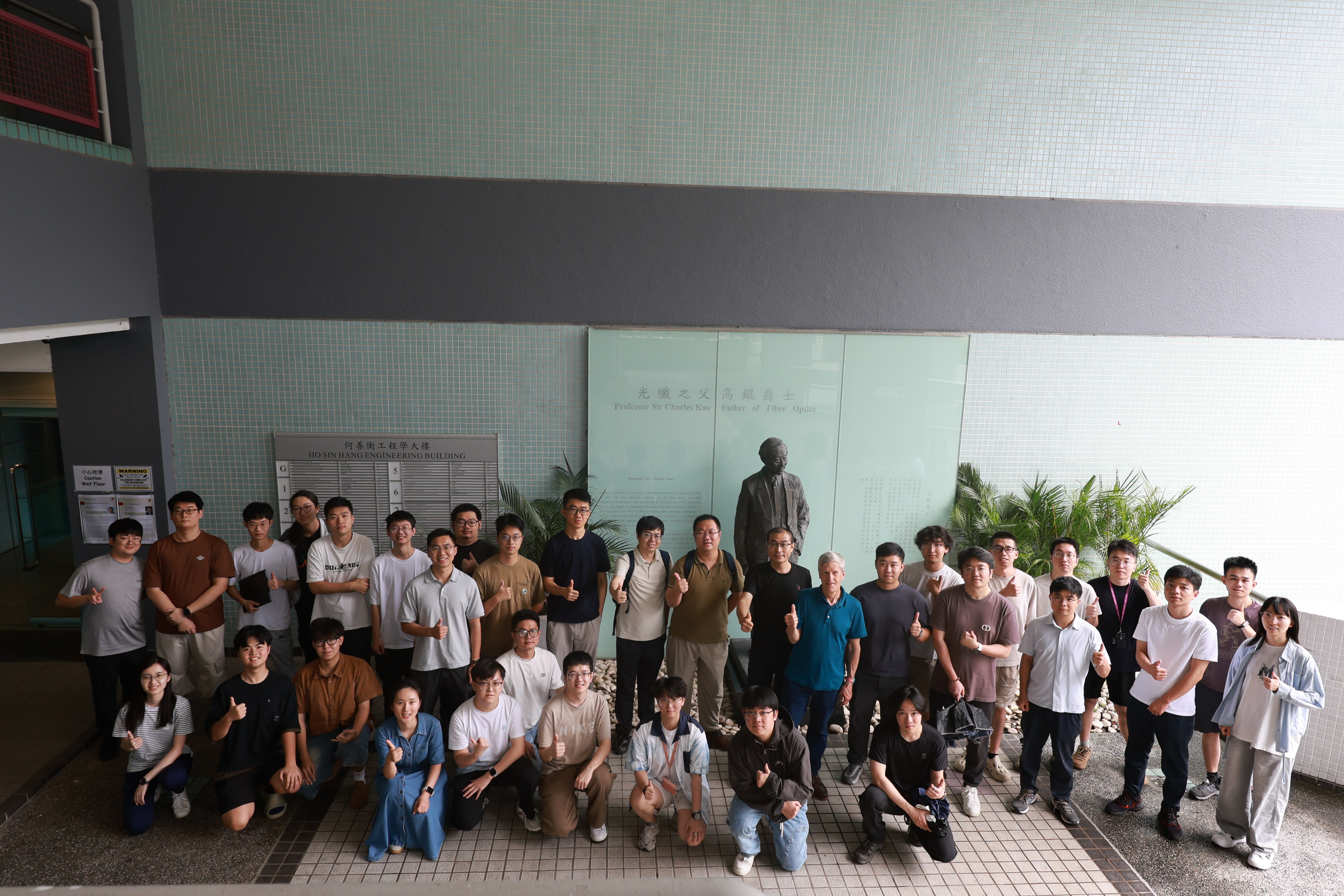
The lecture and lab visit also reflect the continuing academic exchange between Prof. Ren’s lab at CUHK and Prof. Cutkosky’s research group at Stanford University. During the GTC conference period, Prof. Ren visited Stanford University for a research exchange and met with Prof. Cutkosky’s team, lab alumni, and clinical collaborators. Participants in the exchange included Teo, a former intern of Prof. Ren’s lab and current Ph.D. student at Stanford University; Catherine, a collaborating clinician affiliated with Prince of Wales Hospital and Stanford University; and Dr. Qiu, an alumnus of Prof. Ren’s lab and current researcher at Stanford University.
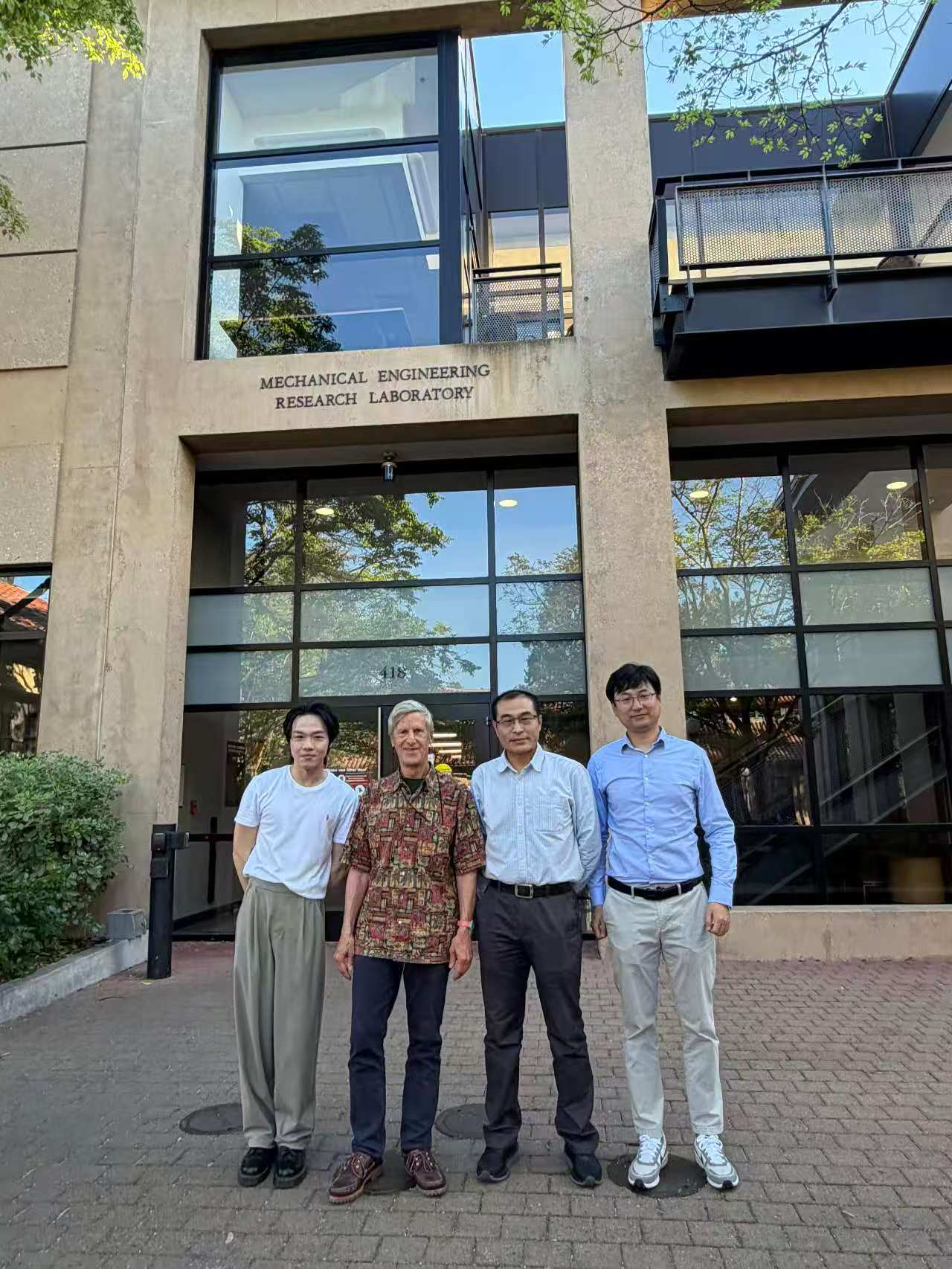
The exchange is supported by the Stanford University–CUHK bilateral joint collaboration and exchange project. Under this project, Prof. Lai and Mr. Tao Zhang from Prof. Ren’s lab also conducted academic visits at Stanford University. These mutual visits have promoted closer collaboration between the two institutions and created further opportunities for joint research in medical robotics, biomimetic devices, intelligent surgical systems, and clinically oriented engineering research.
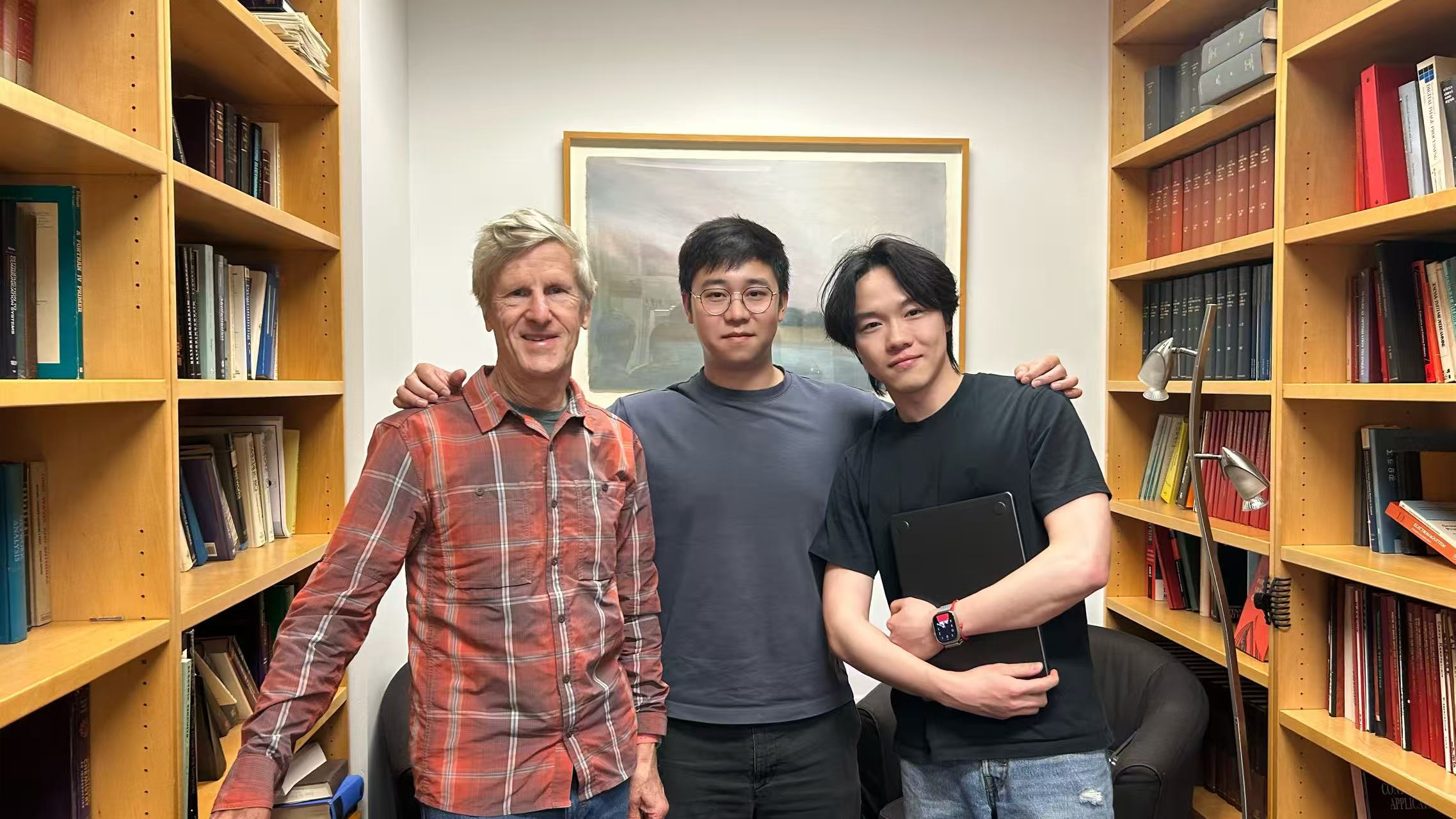
Prof. Cutkosky is internationally recognized for his contributions to robotic manipulation, tactile sensing, and biologically inspired robot design. His Distinguished Lecture at CUHK provided an important platform for sharing research insights and promoting future collaboration between CUHK and Stanford University in next-generation medical robotic technologies.
About Prof. Mark R. Cutkosky
Prof. Mark R. Cutkosky is the Fletcher Jones Professor in the Department of Mechanical Engineering at Stanford University. His research spans robotic manipulation, tactile sensing, biologically inspired robotics, design and manufacturing, and medical-device innovation. He is widely recognized for his contributions to bioinspired robotic systems, including gecko-inspired adhesives, climbing and perching robots, soft sensing technologies, and robotic devices for healthcare applications. His work has had broad impact across robotics, human–robot interaction, biomimetic design, and translational medical engineering.
